
Dental Care Tips for Orlando Dogs and Cats


Dental Care Tips for Orlando Dogs and Cats
If you’ve ever caught a whiff of your dog’s breath or noticed your cat hiding when it’s time for a meal, you might be wondering if dental health could be the culprit. In Orlando’s warm and humid climate, maintaining a healthy mouth is even more important for your pets. At Shey’s Veterinary Hospital, located right in the heart of Avalon Park at 1024 Avalon Park Blvd, Suite 7, Orlando, FL 32828, we understand how much you love your pets and how you want to keep their tails wagging and purrs going strong. This guide will help you recognize the signs of dental disease, understand why oral health matters, discover practical at-home care tips, and learn how professional veterinary care can keep your pet’s smile healthy year-round.
Whether your companion is a playful puppy, a wise senior cat, or anything in between, dental health is a vital part of their overall wellbeing. We’ll walk you through the warning signs to watch for, common causes of dental issues, what to expect from veterinary dental treatments, and easy steps you can take at home. You’ll also find out why scheduling regular dental cleanings, including teeth cleaning and dental cleanings for pets, is one of the best ways to support your pet’s comfort and happiness.
How to Recognize Dental Disease in Your Dog or Cat
Many pet owners don’t realize that dental disease is one of the most common health problems affecting dogs and cats. Unfortunately, symptoms often sneak up slowly. Early on, your pet may act completely normal even if dental problems are brewing beneath the surface. That’s why it’s so important to know what to look for before issues become more serious.
Some of the earliest signs of dental disease in pets include persistent bad breath, which is usually more than just the occasional “doggy breath.” You might also notice your pet dropping food, chewing on only one side of the mouth, or showing less enthusiasm for crunchy treats and kibble. Gums that appear red, swollen, or that bleed easily during play or tooth brushing are another warning sign that something isn’t right. In more advanced cases, you may spot visible tartar buildup, loose or missing teeth, or even swelling along the jawline. Cats are particularly prone to hiding discomfort, so watch for subtle signs like pawing at the mouth, drooling, or changes in grooming habits.
Ignoring these symptoms can mean your pet is quietly suffering from pain or infection. If you notice any of these changes, it’s a good idea to schedule a dental examination with our veterinary team at Shey’s Veterinary Hospital. Early recognition is key to preventing more serious health problems that can result from untreated dental disease.
Why Do Dogs and Cats Get Dental Disease?
Understanding why dental problems develop can help you take steps to prevent them. Just like in people, dental disease in pets starts with plaque—a sticky film of bacteria that forms on the teeth after eating. Without regular cleaning, this plaque hardens into tartar, which irritates the gums and leads to inflammation (gingivitis). Over time, untreated tartar and plaque can work their way beneath the gumline, causing periodontal disease. This can destroy the tissues and bone that support your pet’s teeth, often resulting in pain, infection, and eventually tooth loss.
Several factors can increase your pet’s risk of dental disease. Breed plays a role, with small dog breeds and certain cats being more prone to dental crowding and tartar buildup. Age is another factor; dental issues become more common as pets get older. Diet matters too—pets fed mainly soft foods or table scraps tend to have more plaque accumulation than those who regularly chew on dental diets or approved chews. Genetics, immune health, and even certain underlying conditions (like diabetes or kidney disease) can also make pets more susceptible.
Orlando’s humidity can add another wrinkle. Warm, moist air accelerates bacterial growth in your pet’s mouth, making regular dental care even more important for local dogs and cats. Without proper attention, bacteria can enter the bloodstream from infected gums, potentially affecting the heart, kidneys, or liver. That’s why our veterinary team stresses the importance of preventive dental care as part of your pet’s overall wellness plan.
Professional Dental Care: What to Expect at Shey’s Veterinary Hospital
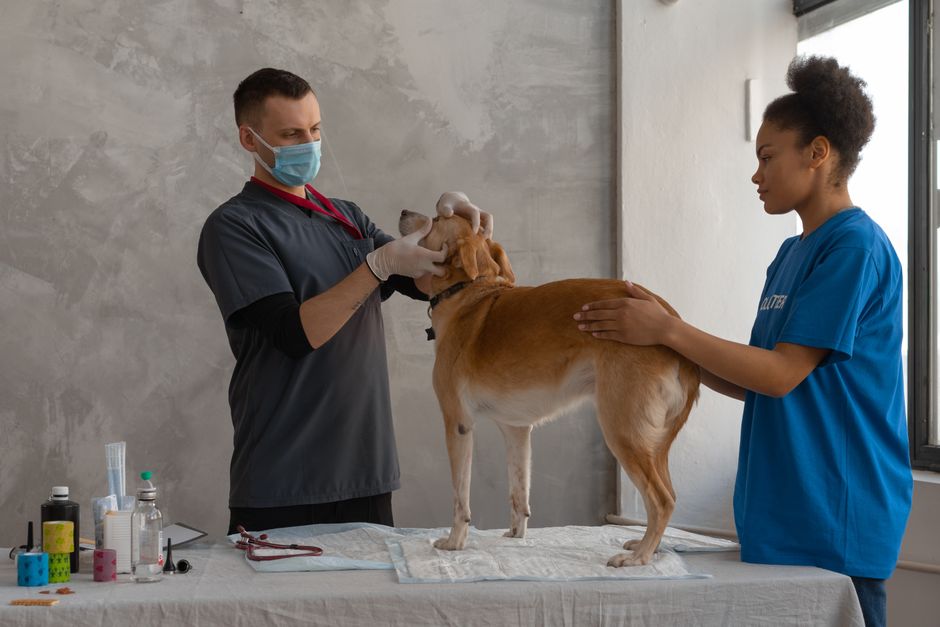
When your pet visits us for a dental assessment, our veterinarians start with a thorough oral examination. We check for tartar, gum inflammation, fractured or loose teeth, oral masses, and any signs of pain. For a complete view, we often recommend dental radiographs, which allow us to see below the gumline where hidden issues can lurk. This advanced imaging is especially important because many dental problems are not visible to the naked eye.
If your pet needs a dental cleaning, the procedure is performed under general anesthesia to ensure safety and comfort. During the cleaning, our veterinary professionals scale away plaque and tartar from both above and below the gumline, polish the teeth to remove microscopic scratches, and examine each tooth individually. If we discover severely damaged or infected teeth, tooth extraction procedures may be necessary to relieve pain and prevent future complications.
Some pets may also require dental surgery services for more advanced oral conditions, such as oral tumors or complicated extractions. Our goal is always to preserve healthy teeth whenever possible, but sometimes removal is the kindest choice for your pet’s comfort.
After the procedure, we provide detailed home care instructions and pain management as needed. Most pets recover quickly and return to their playful selves, often with a newfound interest in toys and food once oral discomfort is gone. Regular professional cleanings, combined with consistent at-home care, are the best way to prevent recurrence and keep your dog or cat’s mouth healthy.
At-Home Dental Care Tips for Orlando Pet Owners
Professional cleanings are essential, but ongoing home care is the cornerstone of maintaining your pet’s oral health between veterinary visits. Brushing your dog or cat’s teeth daily is the gold standard, but even a few times a week can make a significant difference. Use a toothbrush and toothpaste specially designed for pets—never human toothpaste, as it can be harmful if swallowed.
If your pet isn’t a fan of tooth brushing right away, start slow and reward them with praise or a favorite treat after each session. Gradually work up to gently brushing the outer surfaces of their teeth. Consistency is key, and patience pays off.
In addition to brushing, offering dental chews, treats, or toys approved by the Veterinary Oral Health Council (VOHC) can help reduce plaque and tartar. Certain prescription dental diets are formulated to clean teeth as your pet chews, making them an excellent option for pets at higher risk of dental disease. Always ensure that any chew or toy you provide is appropriate for your pet’s size and chewing style to avoid broken teeth or choking hazards.
Fresh water is a must, especially in Orlando’s heat and humidity. Encourage your pet to drink regularly to help rinse away food particles and bacteria. If your pet is hesitant about dental care, our team is happy to provide demonstrations and guidance during your next visit.
When to Seek Veterinary Dental Care
Even with the best home care, some dental issues require professional attention. If you notice signs such as persistent bad breath, red or bleeding gums, loose teeth, swelling around the mouth, difficulty eating, or significant changes in behavior, it’s time to schedule an appointment with our veterinary team. Sudden refusal to eat, drooling, or pawing at the mouth can signal pain or infection that needs prompt evaluation.
Routine dental exams are just as important as vaccinations and wellness visits. We recommend a dental check-up at least once a year, and more often for senior pets or those with a history of dental disease. Semi-annual comprehensive exams often include an oral health assessment, allowing us to catch problems early.
If you are searching for a veterinarian near me in Orlando who offers comprehensive dental care for dogs and cats, Shey’s Veterinary Hospital is here to help. Our experienced veterinarians use advanced technology and gentle techniques to ensure your pet’s comfort and safety throughout every stage of dental care.
Supporting Your Pet’s Smile: The Shey’s Veterinary Hospital Commitment
Your pet’s dental health is a crucial part of their overall happiness and longevity. By staying alert to early warning signs, practicing effective home care, and partnering with a trusted veterinary team for regular cleanings and check-ups, you can help your beloved companion avoid unnecessary pain and enjoy a lifetime of tail wags and cozy cuddles.
If you have questions about your pet’s dental health or want to book a dental cleaning, our team at Shey’s Veterinary Hospital is ready to support you every step of the way. We invite you to schedule an appointment by calling (321) 234-3188 or visiting us at 1024 Avalon Park Blvd, Suite 7, Orlando, FL 32828. Our comprehensive approach to pet dental care means your dog or cat is treated with the same love and attention we give our own pets.
Whether you are new to the area or have been searching for a reliable vet near me, trust our compassionate veterinary professionals to keep your pet’s smile bright in Orlando and the surrounding communities. For more information about our dental services and tips tailored to your pet’s needs, reach out today. Your pet’s best friend in dental care is just a call or click away.