
How Pet Dental Care Prevents Health Problems in Orlando

How Pet Dental Care Prevents Health Problems in Orlando
As a pet owner, you might notice your dog or cat’s breath isn’t as fresh as it used to be, or perhaps you’ve spotted some tartar on their teeth. While it’s easy to overlook dental care, ignoring your pet's oral health can lead to bigger health problems down the road. At Shey’s Veterinary Hospital, located in the heart of 1024 Avalon Park Blvd, Suite 7, Orlando, FL 32828, our team of veterinarians is passionate about helping pets in Orlando and surrounding communities enjoy happier, healthier lives by prioritizing dental care. In this blog, we’ll explore how regular dental checkups and cleanings can prevent serious health issues, how to recognize when your pet might need dental attention, and what you can do at home to support your pet’s oral health. You'll also learn why choosing a trusted local practice like Shey’s Veterinary Hospital makes all the difference for your beloved companion.
Recognizing Dental Health Issues in Pets
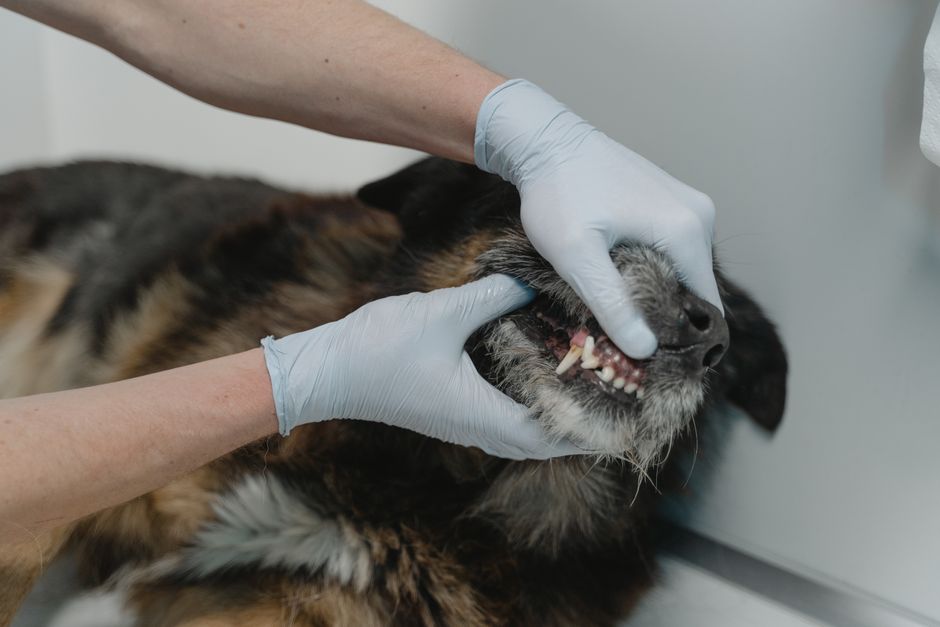
Many pet owners are surprised to learn that dental disease is one of the most common health issues in cats and dogs. According to the American Veterinary Dental College, most pets show signs of dental disease by the age of three. Key symptoms include bad breath (halitosis), yellow or brown tartar buildup along the gumline, red or bleeding gums, loose or missing teeth, and reluctance to eat hard food. Additionally, you might notice your pet pawing at their face, drooling excessively, or shying away from having their mouth touched. Subtle changes in behavior, such as decreased playfulness or irritability, can also signal discomfort caused by dental pain.
It’s important to remember that many pets will continue eating even if they are experiencing dental pain. This instinct to hide discomfort means dental problems can go unnoticed until they become severe. Regularly checking your pet’s mouth at home and scheduling routine veterinary exams will help catch issues before they progress.
What Causes Dental Problems in Dogs and Cats?
Understanding the roots of dental disease can help you take proactive steps to protect your pet. Most dental problems in pets begin with plaque, a sticky film of bacteria that forms on the teeth after eating. If not removed through brushing or professional cleaning, plaque hardens into tartar, which can irritate the gums and cause inflammation. Over time, this inflammation, known as gingivitis, can develop into periodontal disease—a more advanced stage where bacteria attack the tissues and bone supporting the teeth.
Certain factors can increase your pet’s risk of developing dental problems. These include age, breed (small dog breeds and certain cats are more susceptible), diet, and a lack of routine dental care. Pets who primarily eat soft foods, or who do not have their teeth brushed regularly, are more prone to plaque buildup. In Orlando’s warm, humid climate, bacteria thrive, which can further contribute to rapid plaque and tartar formation.
If dental disease is left untreated, bacteria from the mouth can enter the bloodstream and travel to other organs, affecting the heart, kidneys, and liver. This is why dental problems are not just about teeth—they can impact your pet’s entire body, making preventative care essential for long-term health.
Professional Dental Treatment: What to Expect at Shey’s Veterinary Hospital
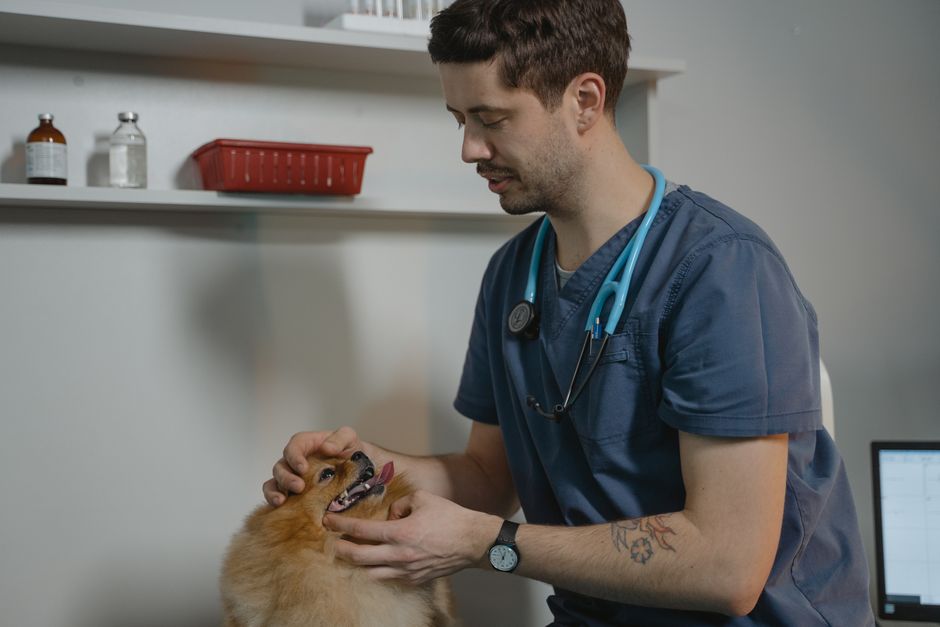
When you bring your pet to Shey’s Veterinary Hospital for dental care, our veterinary team takes a comprehensive approach to oral health. A typical dental evaluation starts with a thorough oral exam, where we check the teeth, gums, and oral tissues for signs of disease or discomfort. If we detect any concerns, we may recommend dental cleanings and teeth cleaning services for pets, which are performed under anesthesia to ensure your pet’s comfort and safety.
During a professional dental cleaning, our veterinarians use specialized instruments to remove plaque and tartar from above and below the gumline. We also polish the teeth to smooth out any scratches where bacteria might collect. In some cases, dental radiographs are necessary to assess the health of tooth roots and jawbone, especially if your pet has persistent bad breath, loose teeth, or swelling. You can learn more about our dental radiograph services for detailed pet oral health assessment and how they help us spot problems that aren’t visible during a regular exam.
If dental disease has progressed, treatments may include tooth extraction or, in more severe cases, dental surgery. Our team will discuss all available options with you, ensuring you understand the procedures and recovery process. We’re committed to making dental care as gentle and stress-free as possible for your pet.
How Dental Care Prevents Broader Health Problems
Many pet owners are surprised to learn that dental issues can lead to more than just bad breath or tooth loss. When bacteria from periodontal disease enter the bloodstream, they can cause infections or create inflammation in major organs. Conditions such as endocarditis (an infection of the heart valves), kidney disease, and liver problems have all been linked to poor dental health in pets.
By scheduling regular dental cleanings, you’re not only improving your pet’s quality of life but also taking an important step in preventing these potentially life-threatening complications. Early intervention allows our veterinarians to treat minor issues before they escalate, which can save on costly procedures and emergency care down the road.
Preventive dental care is especially important for senior pets and those with chronic health conditions, as these animals are more vulnerable to complications related to oral infections. The peace of mind that comes from knowing your pet’s mouth—and whole body—are healthy is well worth the effort.
At-Home Dental Care: What You Can Do
While professional cleanings are crucial, your role as a pet owner is equally important in maintaining your pet’s dental health. Regular tooth brushing is the gold standard for home care. Using a pet-specific toothbrush and toothpaste, aim to brush your pet’s teeth several times a week. Start slowly and reward your pet with treats or praise to make the process positive.
There are also dental diets, treats, and toys designed to reduce plaque buildup. Look for products approved by the Veterinary Oral Health Council (VOHC) for extra assurance. Water additives and oral rinses can provide additional support, especially for pets that resist brushing.
Monitoring your pet’s mouth for changes is key. Watch for new odor, changes in eating habits, or visible tartar. If you notice anything unusual, schedule an exam as soon as possible. Early intervention can make a significant difference in treatment outcomes and your pet’s comfort.
When to Schedule a Veterinary Dental Checkup
Even with diligent home care, pets need regular dental evaluations by a veterinary professional. We recommend annual dental exams for most pets, though some may benefit from more frequent checkups, especially if they are prone to dental disease. If you notice signs like persistent bad breath, loose teeth, bleeding gums, difficulty eating, or swelling around the mouth, don’t wait—these symptoms signal it’s time for a visit.
Preventive dental care is a core part of our preventative medicine and routine checkups for pet health at Shey’s Veterinary Hospital. Our team can identify issues that might be missed at home and provide guidance on how to best care for your pet’s teeth.
Remember, dental disease can progress quickly. Catching problems early is the best way to keep your pet comfortable and healthy. If you have questions or concerns, our veterinarians are here to help.
Choosing a Vet Near Me for Pet Dental Care in Orlando
When searching for a veterinarian near me who truly understands the importance of dental health for your dog or cat, Shey’s Veterinary Hospital stands apart. Our compassionate approach, combined with advanced dental technology and a commitment to ongoing education, ensures your pet receives the highest standard of care. We proudly serve Orlando and surrounding communities from our 1024 Avalon Park Blvd, Suite 7, Orlando, FL 32828 location.
If you’re concerned about your pet’s breath or have questions about dental care, schedule an appointment with our veterinary team today. Taking a proactive approach to dental health can add years to your pet’s life and prevent serious health problems before they start. For more information on our dental cleanings and teeth cleaning services for pets, or to discuss your pet’s unique needs, call us at (321) 234-3188 or visit us in Orlando. Together, let’s keep your pet smiling and healthy for years to come.
This blog is intended for informational purposes only and should not replace professional veterinary advice. Always consult your veterinarian for specific concerns about your pet’s health.