
Fall Parasite Prevention Tips for Orlando Pets

Fall Parasite Prevention Tips for Orlando Pets
As the warm Florida weather lingers into fall, many pet owners in Orlando find themselves concerned about the ongoing threat of fleas, ticks, and heartworms. Even as the rest of the country starts to cool down, the unique climate in Central Florida means that parasites remain active well past summer. At Shey’s Veterinary Hospital, located at 1024 Avalon Park Blvd, Suite 7, Orlando, FL 32828, our veterinary team frequently answers questions from concerned pet owners about how to keep dogs and cats safe from these persistent pests. In this blog, we’ll help you recognize the signs of parasite problems, explain why Orlando’s fall season still brings risks, and share practical prevention tips you can implement at home. You’ll also learn when it’s time to schedule an appointment and how our team can support your efforts to keep your pet healthy and parasite-free throughout the season.
Whether you’re worried about your dog scratching after a walk in Avalon Park or want to protect your indoor cat from silent threats like heartworms, this guide is designed to give you the knowledge and confidence to take action. We are dedicated to providing high-quality care and are always here to help you with expert advice and effective prevention programs.
Recognizing the Signs of Parasite Problems in Dogs and Cats
Parasites can be sneaky, and their symptoms might be subtle at first. However, early recognition is key to preventing more serious health issues for your pet. Common signs that your cat or dog may have a parasite problem include excessive scratching, biting, or licking at the skin. You might also notice small black flecks (commonly known as flea dirt) in your pet’s fur, hair loss, or red, irritated patches of skin. In the case of ticks, you may find a small, round lump attached to your pet’s skin, especially after walks in grassy or wooded areas.
Heartworm disease can be much harder to detect in its early stages. For dogs, early symptoms may be nearly invisible, but as the disease progresses, you could see coughing, low energy, difficulty breathing, or weight loss. Cats with heartworm may show vague symptoms such as vomiting, loss of appetite, or episodes of rapid breathing. Because these signs can mimic other illnesses, it is essential not to dismiss them. If you notice any of these warning signs, or if your pet appears unusually tired or uncomfortable, it’s time to reach out to your veterinarian for a professional evaluation.
Why Fall Is Still Prime Time for Parasites in Orlando
Many pet owners assume that cooler fall temperatures will bring relief from fleas, ticks, and mosquitoes, but Orlando’s subtropical climate tells a different story. Average daytime highs remain in the 80s and 90s well into October, and humidity levels stay elevated. These conditions allow parasite populations to thrive, keeping your pets at risk throughout the autumn months.
Fleas can complete their life cycle in as little as three weeks in warm, moist environments. This means that if just a few fleas hitch a ride on your dog or cat, they can quickly multiply and infest your home. Ticks are also a year-round concern in Central Florida; they are often found in tall grasses, leaf litter, and even in your own backyard. Mosquitoes, which transmit heartworm disease, remain active as long as temperatures stay above 50 degrees. Because of this, skipping parasite prevention in the fall can leave your pet vulnerable to health risks that might not become apparent until much later.
Treatment and Management: How Our Veterinary Team Can Help
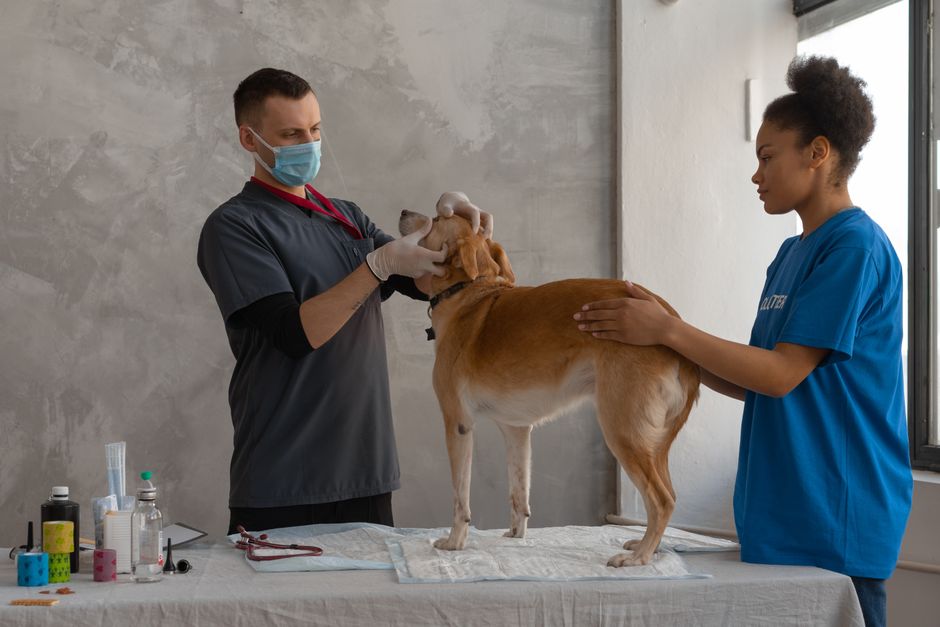
If your pet is already showing signs of a flea, tick, or heartworm problem, prompt veterinary care is essential. Our veterinarians at Shey’s Veterinary Hospital will begin with a thorough physical examination, looking for external signs of parasites and assessing your pet’s overall health. Diagnostic tests may be recommended, such as a skin scrape for mites or a heartworm test for dogs and cats who are not already on consistent prevention.
Treatment for fleas and ticks usually involves prescription-strength topical or oral medications that target adult parasites and disrupt their life cycles. We will recommend products that are safe and effective for your pet’s species, age, and health status. For pets diagnosed with heartworm disease, management becomes more complex. Dogs require a structured treatment protocol that may include injections, oral medications, and strict exercise restriction to minimize complications. In cats, there is no approved drug for eliminating heartworms, so treatment focuses on supportive care and managing symptoms.
Our veterinary professionals will never recommend one-size-fits-all solutions. Instead, we tailor each prevention and treatment plan to your pet’s unique needs, considering factors such as lifestyle, medical history, and your home environment. Regular physical examinations are a cornerstone of identifying and managing parasite issues before they become serious health threats.
Preventing Parasites at Home: Practical Steps for Orlando Pet Owners
Prevention is always easier and safer than treating a full-blown infestation or infection. Fortunately, there are several effective steps you can take to protect your pet from parasites this fall. Consistent use of veterinarian-recommended flea, tick, and heartworm preventives is the foundation of every prevention plan. These medications should be given year-round in Orlando, since parasites do not take a break when temperatures drop slightly.
Keeping your home and yard clean also plays a critical role. Vacuuming your pet’s favorite resting spots, washing bedding in hot water, and regularly mowing your lawn can reduce the risk of flea and tick infestations. For dogs, avoid tall grasses and wooded areas where ticks are commonly found, especially after heavy rains or during periods of high humidity. For both cats and dogs, minimizing contact with unfamiliar animals can help reduce exposure to parasites.
Do not forget about regular preventative veterinary care. During your pet’s wellness visits, our veterinarians will review your current prevention strategies, check for any signs of parasite activity, and recommend updates based on the latest medical research. Vaccinations are an important part of prevention as well, as some diseases spread by parasites can be prevented with the right immunizations. If you have any questions about choosing the best parasite control products, our team is always here to guide you.
When to Schedule a Veterinary Appointment
Knowing when to reach out for help can make all the difference in your pet’s health and comfort. If you notice persistent scratching, hair loss, visible fleas or ticks, or any of the subtle signs of heartworm disease mentioned earlier, schedule an appointment with our veterinary team as soon as possible. Early intervention can help prevent complications and make treatment simpler and less stressful for you and your pet.
It is also essential to stay on top of regular checkups, especially if your pet spends time outdoors or interacts with other animals. We recommend semi-annual comprehensive exams for most pets, which allow us to identify parasite problems and other health concerns early. If your pet is overdue for a wellness visit or you have questions about updating your prevention protocols, our team is ready to help you create a plan that fits your lifestyle.
Remember, while some over-the-counter products are available, not all are safe or effective for every pet. Always consult your veterinarian before starting a new medication.
Keeping Your Pet Healthy: Our Commitment to Orlando’s Companion Animals
At Shey’s Veterinary Hospital, we understand how important it is to keep your pets safe, comfortable, and healthy throughout every season. Fall in Orlando does not mean a break from parasite threats; in fact, consistent vigilance is the key to long-term protection. By working with our veterinary team for regular wellness care, using year-round parasite preventives, and staying alert to the signs of trouble, you can help your pet enjoy a happy, itch-free autumn.
If you are searching for a reliable "vet near me" or have concerns about parasite prevention, our experienced veterinarians are here to guide you every step of the way. Schedule an appointment today by calling (321) 234-3188 or visiting us at 1024 Avalon Park Blvd, Suite 7, Orlando, FL 32828. We proudly serve Orlando and surrounding communities with high-quality veterinary care tailored to your pet’s needs. To learn more about our preventative medicine options, visit our preventative veterinary care page. Your pet’s comfort and health are always our top priorities, and we look forward to being your trusted partner in every season.
This blog is for informational purposes only and is not a substitute for professional veterinary care. Always consult your veterinarian for advice about your pet’s specific health needs.