
Do You Need Vet Help Choosing Dry vs Wet Food for Dental Health?

Do You Need Vet Help Choosing Dry vs Wet Food for Dental Health?
If you have ever wondered how to keep your dog or cat’s teeth healthy through diet, you are not alone. Many pet owners in Orlando and surrounding communities want the best for their pets but are unsure whether dry or wet food is better for dental health. The question, "how can I tell whether I need professional help with choosing dry versus wet food for dental health?" comes up frequently during appointments at Shey’s Veterinary Hospital. The truth is, there is no one-size-fits-all answer, as each pet’s health, lifestyle, and dental condition are unique. In this blog, we will help you recognize when it’s time to seek expert guidance for your pet’s nutrition, explore how diet impacts dental health, and explain how our team at Shey’s Veterinary Hospital can help your dog or cat thrive. You will also discover when a nutritional counseling appointment is the right next step for your pet and what signs to watch for if you are trying to make this choice at home.
Recognizing When Food Choice Impacts Your Pet’s Dental Health
For many pet owners, it can be challenging to tell when food is playing a role in dental issues. The question, "how can I tell whether I need professional help with choosing dry versus wet food for dental health?" often arises when a pet shows subtle changes or discomfort. Key signs that your pet’s diet may be affecting oral health include persistent bad breath, visible tartar or plaque on the teeth, red or inflamed gums, or reluctance to eat certain foods. Additionally, if your dog or cat starts dropping food while eating, seems to favor one side of the mouth, or avoids chewing hard kibble, these could be red flags indicating dental discomfort.
Sometimes, the connection between diet and dental health is not obvious until your veterinarian points it out during a professional dental cleaning. At home, you may notice that your pet’s coat looks dull or your cat is grooming less, both of which can signal underlying oral pain. If your pet has a history of dental disease or you’ve recently adopted a dog or cat with unknown dental history, it’s even more important to consider whether the type of food could be helping or hurting their teeth.
Understanding How Diet Influences Dental Health in Dogs and Cats
The debate between dry and wet food has been ongoing for decades. Some pet owners believe that dry food helps scrape away plaque, while wet food is viewed as gentler for sensitive mouths. In reality, the answer is more nuanced and depends on your individual pet’s needs. Dry kibble can provide a mild abrasive action, helping to reduce some plaque buildup, but it is not a substitute for regular brushing or professional dental care. On the other hand, wet food is often easier for pets with dental pain or missing teeth to eat, but it can sometimes stick to teeth more readily, potentially increasing the risk of plaque accumulation if oral hygiene is not maintained.
Factors that influence the impact of diet on dental health include your pet’s age, breed, pre-existing dental issues, chewing habits, and the specific formulation of the food you are feeding. For example, specially designed dental diets are available that use larger kibble size, unique shapes, or added enzymes to help reduce tartar and plaque. These diets are often recommended by veterinarians after a thorough oral examination or after reviewing dental radiographs.
Environmental factors also play a role. In the Orlando area, humidity and the local climate can affect how quickly food spoils if left out, which may influence your choice between dry and wet food. Additionally, multi-pet households may need to balance the dietary needs of several animals, some of whom may have different dental health requirements.
Professional Treatment and Nutritional Support for Dental Health
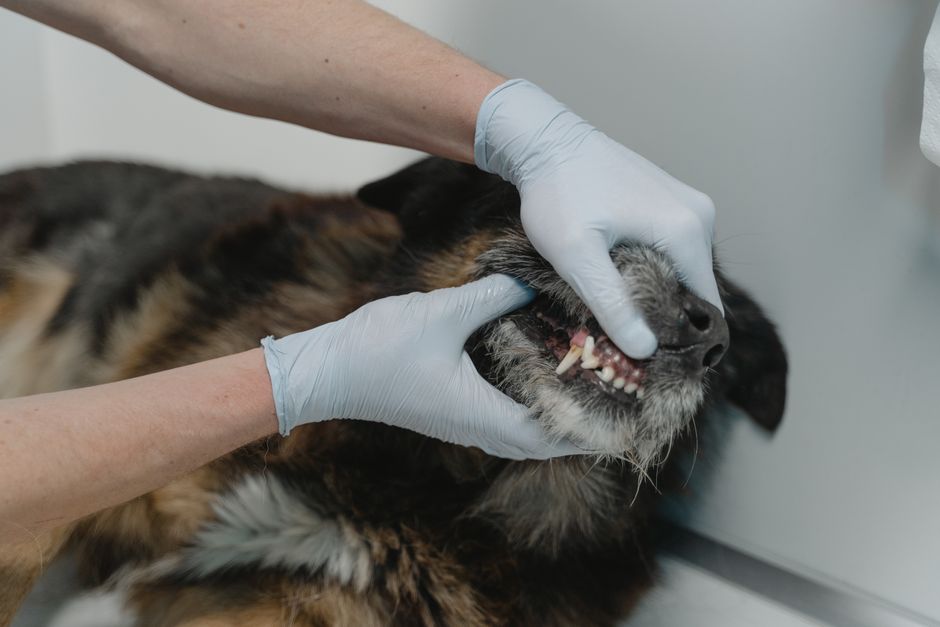
When dental disease is suspected or diagnosed, your veterinarian will create a comprehensive plan that addresses both immediate oral health needs and long-term dietary management. Treatment approaches often begin with a professional pet dental cleaning to remove tartar and assess the health of each tooth. In cases where deeper problems are suspected, dental radiographs may be used to evaluate the roots and bone structure below the gumline.
Once your pet’s mouth is clean and any underlying issues have been addressed, your veterinarian will help you decide whether dry or wet food is the better option moving forward. For pets with severe dental disease, missing teeth, or oral pain, a switch to soft or wet food may be necessary for comfort and nutrition. On the other hand, pets with mild dental changes may benefit from a dental-specific dry kibble that is formulated to reduce plaque.
In some cases, additional procedures such as dental surgery or tooth extraction are required to treat advanced dental problems. After these treatments, your pet’s nutritional needs may change significantly, and our veterinary team at Shey’s Veterinary Hospital will guide you through safe food choices and feeding strategies during recovery.
If you are unsure about what to feed your pet after dental work or have questions about maintaining oral health, scheduling a nutritional counseling appointment is a proactive way to get personalized advice.
What You Can Do at Home to Support Your Pet’s Dental Health
While professional veterinary care is essential for diagnosing and treating dental disease, there are practical steps you can take at home to help protect your pet’s teeth. Brushing your pet’s teeth regularly with a pet-safe toothpaste is one of the most effective ways to prevent plaque buildup. Offering dental chews or treats approved by the Veterinary Oral Health Council can also be beneficial.
When choosing between dry and wet food, closely observe how your dog or cat responds. If your pet chews dry kibble comfortably and shows no signs of pain or gum inflammation, this may be a suitable option. However, for pets that are older, have dental disease, or have recently undergone dental procedures, wet food may be gentler and more palatable.
It is important to remember that no diet alone can guarantee perfect dental health. Routine oral care at home, combined with regular dental checkups at Shey’s Veterinary Hospital, will give your pet the best chance for a healthy mouth. If you notice changes in your pet’s eating habits or oral comfort, don’t hesitate to reach out for guidance.
When Should You Seek Professional Help for Your Pet’s Diet and Dental Health?
Knowing when to involve your veterinarian can make a significant difference in your pet’s oral health and overall wellbeing. If you are asking, "how can I tell whether I need professional help with choosing dry versus wet food for dental health?" the answer often lies in your observations at home. Key situations that warrant professional advice include persistent bad breath that does not improve with home care, visible tartar or discolored teeth, bleeding or inflamed gums, difficulty chewing, or sudden changes in appetite.
Additionally, if your pet has a history of dental disease, has lost teeth, or is recovering from dental surgery, it is critical to get tailored dietary advice. Pets with underlying health conditions such as diabetes or kidney disease may also have unique dietary needs that impact both their oral health and overall nutrition.
Scheduling a dental evaluation or nutritional counseling appointment at Shey’s Veterinary Hospital is the best way to ensure you are making informed choices for your pet. Our veterinarians can recommend the ideal type and formulation of food, taking into account your pet’s age, breed, lifestyle, and medical history.
Why Choose Shey’s Veterinary Hospital for Dental and Nutritional Care?
At Shey’s Veterinary Hospital, we are committed to supporting the health and happiness of Orlando’s pets. Our team of veterinarians understands the unique dental and nutritional needs of dogs and cats in our community. We offer comprehensive dental services, including professional dental cleanings, advanced dental radiographs, and personalized nutritional counseling to help you make the best decisions for your pet’s health.
Whether you are seeking guidance for a new puppy or kitten, managing the dietary needs of a senior pet, or navigating recovery after dental surgery, our veterinary professionals are here to provide compassionate, expert care. We believe that a healthy mouth is essential for a happy, active life; that is why we work with you to develop a plan tailored to your dog or cat.
Take the Next Step for Your Pet’s Dental Health
If you are still wondering, "how can I tell whether I need professional help with choosing dry versus wet food for dental health?" or have noticed changes in your pet’s eating habits, now is the perfect time to connect with our team at Shey’s Veterinary Hospital. Your pet’s dental health affects their comfort, longevity, and quality of life, and the right nutrition plays a key role in keeping their smile bright.
To schedule a dental evaluation or discuss your pet’s nutritional needs, call our veterinary team at (321) 234-3188 or visit us at 1024 Avalon Park Blvd, Suite 7, Orlando, FL 32828. When searching for a veterinarian near me, trust the local experts who care about you and your pet. Let us help you choose the best diet for your pet’s dental health and overall wellbeing.
For more information on dental care and nutrition, explore our nutritional counseling services or schedule an appointment with our veterinarians at Shey’s Veterinary Hospital in Orlando. Your pet’s healthiest years are just a phone call away.