Early Signs of Pet Dental Disease Every Owner Should Know

Early Signs of Pet Dental Disease Every Owner Should Know
If you have ever noticed your dog or cat’s breath is less than pleasant, you might have wondered if it means more than just a need for a mint. Dental disease is one of the most common health concerns affecting pets, and its early stages are often easy to overlook. At Shey’s Veterinary Hospital, located at 1024 Avalon Park Blvd, Suite 7, Orlando, FL 32828, our team of veterinarians understands how critical dental health is for your companion’s overall wellbeing. Whether you are in Orlando or the surrounding communities, recognizing the early signs of dental disease can help you protect your pet from unnecessary pain, tooth loss, and even more serious health risks.
In this post, we will explore what dental disease looks like in its early stages in both dogs and cats, explain why these changes matter, and discuss how prompt veterinary attention can make all the difference. You will also learn about the most effective professional treatments and practical steps you can take at home to keep your pet’s mouth healthy. Most importantly, you will discover when it is time to schedule an appointment with your veterinary team for a dental evaluation or cleaning. If you are concerned about your pet’s oral health, or simply want to know what to watch for, you are in the right place.
Recognizing the Early Signs of Dental Disease in Pets
Dental disease, also known as periodontal disease, does not happen overnight; it develops gradually, often starting with subtle changes that many owners do not notice. Early detection is key to preventing pain and more severe health issues for your dog or cat.
What to Watch for in Your Dog or Cat
One of the first warning signs is persistent bad breath, sometimes described as a sour, rotten, or metallic odor. While “dog breath” or “cat breath” is often joked about, it should not be so strong that it makes you turn away. Alongside bad breath, you might notice a yellow or brown buildup on the teeth, especially near the gumline. This is tartar, which can push gums away from the teeth and allow bacteria to thrive.
Gum changes are another early indicator. Healthy gums are usually pink and firm, but in the early stages of dental disease, they may appear red, swollen, or bleed easily when your pet chews on toys or you try to brush their teeth. You might also observe your pet pawing at their mouth, dropping food, chewing on one side, or suddenly refusing hard kibble or treats. Sometimes, pets become less playful or more withdrawn because of oral discomfort.
In cats, subtle changes such as drooling or grooming less effectively can point to dental pain. Dogs may start to rub their faces on the carpet or furniture in an attempt to relieve mouth irritation. Even minor changes in eating habits, such as hesitating before picking up food or taking longer to eat, are worth noting.
The most important thing to remember is that pets rarely show obvious signs of pain with dental problems until the disease is advanced. Early intervention can spare your pet unnecessary suffering and preserve their quality of life.
Why Dental Disease Develops in Pets
Understanding why dental disease occurs can help you appreciate the importance of prevention and early action. In both dogs and cats, dental disease begins when bacteria in the mouth form a sticky film called plaque. If not removed by regular brushing or professional cleaning, plaque hardens into tartar, which accumulates on the teeth above and below the gumline.
Tartar is irritating to the gums, causing inflammation known as gingivitis. As the disease progresses, bacteria invade deeper into the tissues supporting the teeth, leading to periodontitis. This can result in pain, infection, tooth loss, and even the spread of bacteria to other organs such as the heart, liver, or kidneys.
Certain factors can make pets more prone to dental disease. Small-breed dogs and some cats, especially those with short faces or crowded teeth, are at higher risk. Age is another factor; dental problems become more likely as pets get older. Diet plays a role, as pets eating mostly soft or sticky foods may develop more plaque. Genetics, immune health, and even chewing habits can influence how quickly dental disease develops.
The warm, humid climate in Orlando can also contribute to increased bacterial growth in your pet’s mouth, making regular dental care even more important for local families.
Professional Treatment Options for Pet Dental Disease
When early signs of dental disease are present, professional intervention is the key to reversing or halting the progression of the condition. At Shey’s Veterinary Hospital, our comprehensive dental services are designed to address all stages of dental disease, from mild gingivitis to advanced periodontal problems.
What to Expect During a Professional Dental Cleaning
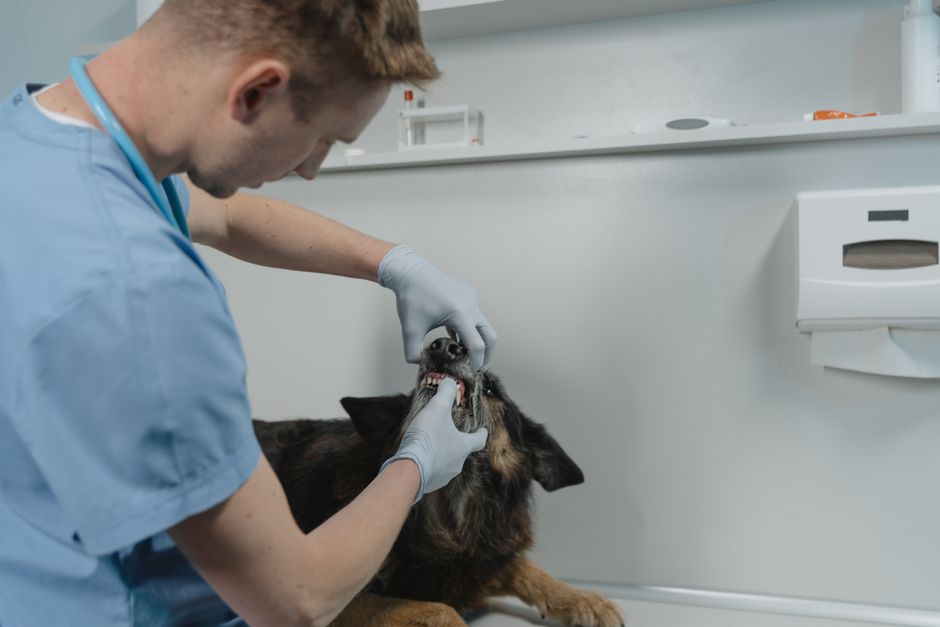
A thorough dental cleaning for your pet, performed under general anesthesia, involves several important steps. Initially, our veterinary team will examine your pet’s mouth and may recommend dental radiographs to check for disease hidden below the gumline. These images allow us to identify issues such as root infections, bone loss, or abscesses that might not be visible during a visual exam.
Once your pet is safely anesthetized, all plaque and tartar will be removed from the teeth, including areas beneath the gumline that cannot be reached during at-home brushing. After cleaning, the teeth are polished to smooth the enamel and help prevent future buildup. If any teeth are severely damaged, loose, or infected, our team may recommend tooth extraction to relieve pain and restore comfort.
For pets with advanced dental disease, additional procedures such as dental surgery may be necessary to address complex problems and ensure your pet’s mouth is healthy.
Why Professional Care Is Essential
While at-home care is important, professional dental cleanings are the only way to fully eliminate tartar and bacteria below the gumline. These procedures not only treat existing problems but also help prevent future issues by creating a clean, healthy environment in your pet’s mouth. Regular dental evaluations and cleanings are an investment in your pet’s long-term health and happiness.
Preventing Dental Disease at Home
Routine dental care at home is one of the most effective ways to protect your pet’s mouth between veterinary visits. The cornerstone of home dental care is daily tooth brushing with a pet-safe toothpaste. If brushing is new to your pet, start slowly and reward them for each small success; even brushing a few times a week can make a noticeable difference.
Dental chews, treats, and toys designed to reduce plaque can also help, but they are not a substitute for brushing or professional cleanings. Feeding a diet that supports dental health, such as specific dental formulas, can reduce plaque buildup for some pets. Always check with your veterinarian before adding new products to your pet’s routine, as not all dental chews are safe or effective for every animal.
Pay attention to your pet’s mouth and eating habits. If you notice a return of bad breath, visible tartar, swollen gums, or any changes in appetite or behavior, it is time for a dental checkup. Regular wellness exams at Shey’s Veterinary Hospital include oral health assessments, so be sure to mention any concerns during your visit. Preventive dental care, combined with professional cleanings, is the best strategy for maintaining a healthy mouth throughout your pet’s life.
You can learn more about our approach to preventative veterinary care and regular checkups on our website.
When to Schedule a Veterinary Dental Exam
Knowing when to seek veterinary care is crucial for preventing dental disease from progressing to a serious health problem. If your dog or cat has persistent bad breath, visible tartar, red or bleeding gums, loose teeth, drooling, reluctance to eat, or changes in behavior that suggest mouth pain, it is important to schedule an appointment as soon as possible.
Even if your pet seems healthy, routine dental evaluations are recommended at least once a year for most dogs and cats. For older pets or those with a history of dental problems, more frequent checkups may be advised. Early detection and treatment can spare your pet pain, prevent tooth loss, and reduce the risk of other health complications.
If your veterinarian discovers signs of dental disease during an exam, they may recommend a professional pet dental cleaning to address the issue before it becomes more serious. Trust your instincts; you know your pet better than anyone, and any changes in their mouth, breath, or eating habits deserve prompt attention.
Your Partner in Pet Dental Health in Orlando
Dental disease is a silent and often painful threat to your pet’s wellbeing, but early detection and regular care can make all the difference. By watching for the early signs of dental disease, maintaining a good home care routine, and scheduling professional cleanings as needed, you can help your pet enjoy a healthy, pain-free mouth for years to come.
At Shey’s Veterinary Hospital, our veterinary team is dedicated to providing compassionate, comprehensive dental care for pets in Orlando and surrounding communities. If you are searching for a "vet near me" who prioritizes your companion’s oral health, we invite you to schedule an appointment with us today. Contact our team at (321) 234-3188 or visit us at 1024 Avalon Park Blvd, Suite 7, Orlando, FL 32828 to discuss your pet’s dental needs or to arrange a thorough dental examination and cleaning. You can also explore our pet dental cleaning services for more information about how we can help.
Remember, a healthy mouth is the foundation of a happy life for your pet. Let our veterinary professionals help your dog or cat smile brighter at every age.