Top Tips for Keeping Orlando Pets Healthy This Fall

Top Tips for Keeping Orlando Pets Healthy This Fall
As the vibrant colors of fall settle over Orlando, pet owners often wonder how to keep their dogs and cats healthy during the milder months of November. The combination of cooler breezes, shorter days, and lingering Florida humidity brings both relief and new challenges for pet care. At Shey’s Veterinary Hospital, located at 1024 Avalon Park Blvd, Suite 7, Orlando, FL 32828, we understand how important it is for you to enjoy the season with your pets while ensuring their health and happiness. This guide will walk you through practical tips for fall nutrition, exercise, and parasite prevention, all tailored to our unique Orlando climate. You will also find advice on when to schedule a veterinary visit and how our veterinary team can support your pet’s well-being all season long.
Whether you are new to the area or a lifelong resident, our goal is to help your pet thrive this autumn and beyond. From updated diet recommendations to guidance on seasonal hazards, the following information will help you make informed decisions for your pet’s care. You will also discover how services like preventative medicine and regular checkups can play a key role in maintaining your pet’s health throughout the year.
Recognizing Seasonal Health Challenges for Orlando Pets
Every season brings its own set of health considerations for dogs and cats, and fall in Orlando is no exception. Even though the extreme heat of summer fades, the combination of lingering warmth and increased outdoor activity can expose pets to a range of issues. Key problems to watch for during the fall include persistent fleas and ticks, subtle shifts in energy levels, and changes in weight or appetite as routines adjust with the weather. Some pets may also develop skin irritations or experience mild respiratory symptoms due to increased pollen and changes in humidity.
If your pet seems less playful, is scratching more than usual, or has any new lumps or bumps, these could be early signs of seasonal health concerns. Additionally, pets who spend more time outside as the weather cools face a higher risk of encountering parasites and environmental allergens. Understanding what to look for is the first step in ensuring your pet enjoys a healthy, active autumn.
Common Fall Symptoms in Dogs and Cats
During fall, pet owners should be alert for symptoms such as increased itching or scratching, mild coughing or sneezing, and changes in coat quality. Other signs may include a sudden decrease in activity, weight gain from reduced exercise, or digestive upsets if your pet eats new foods or scavenges fallen yard debris. In Orlando, persistent rain and humidity can also contribute to ear infections, especially for floppy-eared breeds or cats that like to explore damp spaces.
If you notice any of these symptoms, it may be time to reassess your pet’s fall wellness plan or consult your veterinarian for personalized advice.
Why Fall Presents Unique Health Risks for Orlando Pets
Unlike northern climates that see a dramatic drop in temperature, Orlando’s fall season is typified by mild warmth, humid air, and sporadic rainfall. While this makes for pleasant walks and more outdoor playtime, it also means that fleas, ticks, and mosquitoes remain active much later into the year. These parasites can carry diseases such as heartworm, Lyme disease, and various bacterial infections, all of which can threaten your pet’s health if not prevented.
Additionally, changes in daylight and household routines—such as earlier sunsets or adjustments to feeding schedules—can impact your pet’s metabolism and mood. Some dogs and cats may become less active, leading to gradual weight gain throughout the season. Indoor pets are not immune to these risks; heating systems and reduced ventilation can dry out skin and create an ideal environment for certain allergens to flourish.
The Role of Nutrition and Hydration
Another factor to consider is your pet’s nutritional needs as the weather changes. With cooler air, pets often have increased energy and may require dietary adjustments to maintain a healthy weight. However, sudden changes in diet or treats—especially those associated with holiday celebrations—can upset your pet’s digestive system. Ensuring your pet stays properly hydrated is also crucial, as lower humidity indoors can lead to subtle dehydration, particularly for cats who are less likely to drink water on their own.
How Shey’s Veterinary Hospital Supports Your Pet’s Fall Health
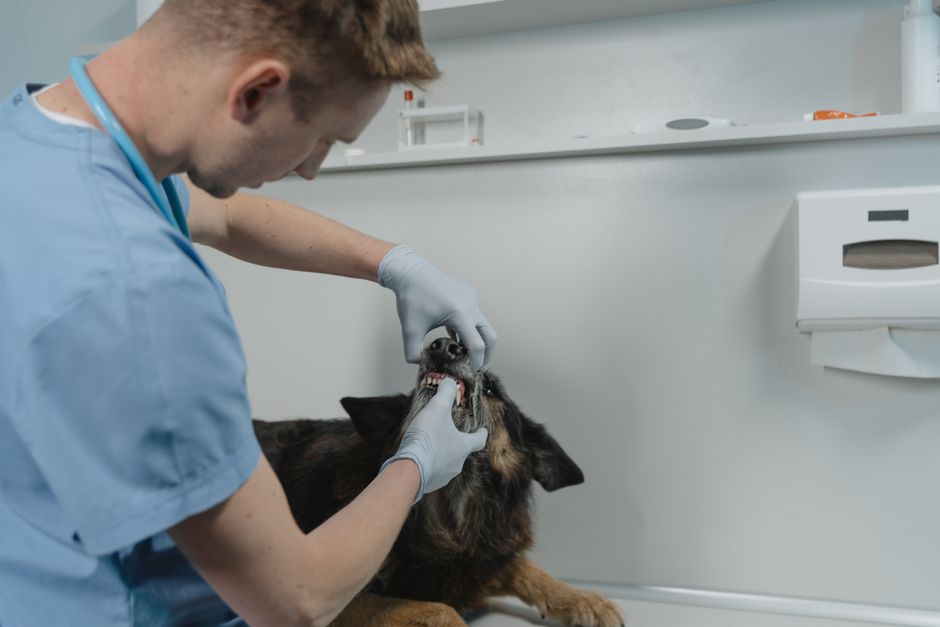
At Shey’s Veterinary Hospital, we believe that fall is the perfect time to review your pet’s health plan and address any emerging concerns. Our veterinary team offers comprehensive physical examinations that help identify issues early, from skin conditions and dental problems to nutritional imbalances and early signs of chronic disease. During a checkup, we assess your pet’s weight, coat quality, dental health, and parasite prevention routine, tailoring our advice to your pet’s lifestyle and the Orlando environment.
If your pet is due for vaccinations or needs updated parasite prevention, our pet vaccination services and heartworm testing ensure optimal protection against contagious diseases and parasites that remain active through fall. Our in-house diagnostic laboratory and digital radiology capabilities allow us to provide accurate, timely results if your pet needs further evaluation.
Tailored Fall Nutrition and Preventive Care
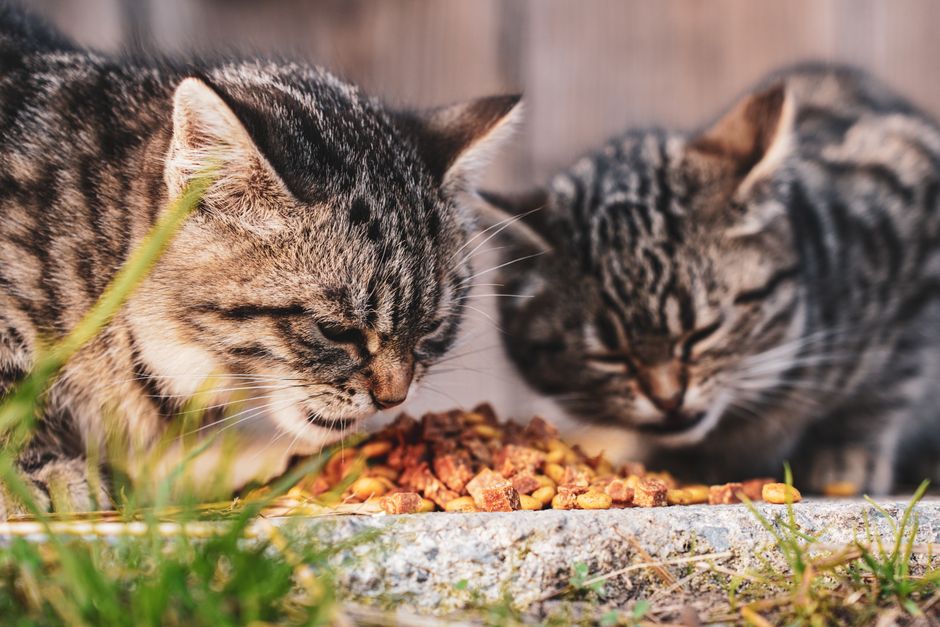
Seasonal changes offer a natural opportunity to assess your pet’s diet. Our nutritional counseling services help you choose the right food for your pet’s age, activity level, and health status. Whether your dog is spending more time at the dog park or your cat is exploring new hiding spots indoors, we provide guidance on calorie adjustments, safe treats, and hydration tips suited for fall in Orlando.
Additionally, regular preventative medicine appointments help catch any health concerns early and keep your pet on track with seasonal parasite prevention. Our veterinarians can recommend flea, tick, and heartworm medications that offer year-round protection, minimizing the risk of disease transmission during the extended Florida parasite season.
Preventive Steps You Can Take at Home This Fall
While professional veterinary care is essential, there are many steps you can take at home to keep your pet healthy during the fall months. Consistent routines are especially helpful; try to maintain a steady feeding schedule and ensure your pet gets regular exercise, even as daylight hours decrease. Taking walks during the cooler parts of the day, such as early morning or evening, can help your dog stay active and reduce the risk of heat-related fatigue.
For both dogs and cats, regular grooming is important to manage shedding and identify any skin or coat issues early. Inspect your pet’s skin for signs of fleas, ticks, or irritation, and check ears for unusual odor or discharge, which may indicate infection. Keep your yard clear of fallen leaves and debris, as these can harbor mold, bacteria, or hidden parasites.
When it comes to nutrition, avoid sharing holiday foods or treats that may be harmful to pets. Foods like chocolate, grapes, onions, and certain nuts are toxic and should be kept out of reach. Fresh water should always be available, and you may need to encourage your cat to drink more if indoor air becomes dry.
Managing Parasites and Allergens
Consistent use of veterinarian-recommended parasite prevention is essential, as Orlando’s climate allows fleas, ticks, and mosquitoes to remain active well into the fall. After outdoor activities, check your dog’s fur and paws for hitchhiking pests or allergens. For indoor cats, consider using air purifiers and keeping windows closed during high pollen days to minimize respiratory irritation.
When to Schedule a Veterinary Visit This Fall
Knowing when to seek veterinary care can make all the difference in your pet’s long-term health. Schedule an appointment with our veterinary team if your pet displays any persistent symptoms such as frequent scratching, coughing, changes in appetite, or difficulty moving. Sudden changes in behavior or the appearance of lumps, bumps, or sores should also prompt a veterinary evaluation. Regular semi-annual comprehensive exams are an excellent way to monitor your pet’s health, catch concerns early, and update preventive care as needed.
If you are unsure whether your pet needs a visit, our team is always happy to answer your questions and recommend the best course of action. Remember that timely intervention is key, especially in a region like Orlando where certain parasites and allergens remain a threat year-round.
Importance of Ongoing Preventive Care
Fall is an optimal time to revisit your pet’s overall health plan. Staying current with preventative medicine appointments and vaccinations helps protect your pet from seasonal and year-round risks alike. By working closely with our veterinarians, you can ensure your pet remains healthy, active, and ready to enjoy everything Orlando has to offer.
Trust Shey’s Veterinary Hospital for Fall Pet Wellness in Orlando
As autumn settles over Orlando and surrounding communities, remember that your pet’s well-being depends on both your daily care and the support of a trusted veterinary team. By staying vigilant for seasonal symptoms, maintaining a healthy routine, and prioritizing preventive care, you can help your pet thrive all fall long.
If you have questions or want to schedule a wellness exam, our veterinarians at Shey’s Veterinary Hospital are here for you. You can reach us at (321) 234-3188 or visit us at 1024 Avalon Park Blvd, Suite 7, Orlando, FL 32828. When searching for a vet near me, choose a practice that understands the unique needs of Orlando’s pets and offers comprehensive, compassionate care.
From preventative medicine and nutritional counseling to pet vaccination services and regular physical exams, we are committed to supporting you and your pet every step of the way. Let us help you make this fall a season of health, happiness, and cherished memories with your beloved companion.
This information is intended for educational purposes and does not replace professional veterinary advice. Always consult your veterinarian for concerns about your pet’s health.