
How to Choose the Right Dental-Health Cat Food


How to Choose the Right Dental-Health Cat Food
As a cat owner in Orlando, you want to do everything possible to keep your feline companion healthy, happy, and comfortable for years to come. One of the most overlooked aspects of feline wellness is dental health. With so many pet foods on the market claiming to support oral hygiene, it’s natural to wonder: what would a veterinarian want a pet owner to understand about choosing dental-health cat food? At Shey’s Veterinary Hospital, located at 1024 Avalon Park Blvd, Suite 7, Orlando, FL 32828, our veterinary team is dedicated to helping you make informed choices that truly benefit your cat’s teeth and overall health. In this blog, we’ll explain how dental diets work, what to look for in a dental-health cat food, how these diets fit into a comprehensive oral care plan, and when professional intervention is needed for your cat’s smile.
Recognizing Dental Problems in Cats: When Should You Be Concerned?
Before selecting a dental-health cat food, it’s important to know when your cat might already be struggling with oral health issues. Cats are naturally skilled at hiding discomfort, so dental disease can progress for months or even years before owners notice. Warning signs to watch for include bad breath that lingers even after your cat eats, visible tartar or discolored teeth, red or swollen gums, difficulty chewing dry food, drooling, pawing at the mouth, or a sudden change in eating habits. Some cats may become less playful, withdrawn, or even aggressive when their mouths hurt. If you notice any of these symptoms, it’s time to schedule an appointment with our veterinary team at Shey’s Veterinary Hospital for a thorough dental evaluation.
It’s worth noting that, while dental-health cat foods can help support oral hygiene, they are not a substitute for addressing active dental disease. Severe tartar, inflamed gums, or loose teeth need professional assessment and may require professional dental cleanings and teeth-cleaning services for pets or additional treatments.
What Would a Veterinarian Want a Pet Owner to Understand About Choosing Dental-Health Cat Food?
When faced with the question of what would a veterinarian want a pet owner to understand about choosing dental-health cat food, the answer is more nuanced than simply picking a bag labeled “dental formula.” Not all dental diets are created equal, and some may not provide the benefits you expect. Veterinary professionals want you to know that the effectiveness of dental-health cat food depends on several factors, including the formulation, kibble texture, and your cat’s individual needs.
A true dental-health cat food will be specifically designed to reduce plaque and tartar. This is often achieved through a combination of kibble size and texture, which encourages mechanical scraping of the teeth as your cat chews, as well as nutritional components that help limit the formation of dental deposits. Some of these diets are approved by the Veterinary Oral Health Council (VOHC), which tests products to ensure they deliver meaningful oral health benefits. Looking for the VOHC seal is one way to verify that a dental diet is likely to have a positive impact on your cat’s teeth.
Your veterinarian will also want you to consider your cat’s age, health status, and dietary preferences before making any changes. For example, cats with certain medical conditions may need prescription dental diets, while others may benefit from over-the-counter formulations. Additionally, if your cat has a history of food allergies or sensitivities, your veterinarian can help guide you toward options that support both oral and overall health. At Shey’s Veterinary Hospital, our team provides nutritional counseling services to help you select the most appropriate diet for your pet’s unique situation.
Why Do Cats Develop Dental Disease? Understanding the Causes
To appreciate why dental-health cat food can be useful, it helps to understand how dental disease develops in cats. Like people, cats accumulate bacteria and food particles on their teeth, forming a sticky film called plaque. Over time, minerals in saliva harden this plaque into tartar, which adheres tightly to teeth and can only be removed through professional dental cleaning. Tartar buildup irritates the gums, leading to gingivitis, and can progress to more advanced periodontal disease if not addressed.
Several factors increase the risk of dental problems in cats. Genetics play a role, as some breeds are more prone to dental issues. Diet is another key factor: cats that eat mostly soft or wet food may not get the mechanical cleaning action that comes from chewing dry kibble. Age is also important; senior cats are at higher risk for dental disease due to years of plaque accumulation and potentially weakened immune systems.
The warm, humid climate of Orlando can also contribute to faster bacterial growth in your cat’s mouth, making regular dental care and the right diet even more important for local pet owners.
How Dental-Health Cat Foods Work: What’s Inside Matters
When pet owners ask what would a veterinarian want a pet owner to understand about choosing dental-health cat food, it’s crucial to look beyond marketing claims and examine how these diets actually work. Dental-health cat foods are typically engineered to help reduce both plaque and tartar through several mechanisms.
The texture and structure of the kibble play a vital role. Dental diets often feature larger, denser pieces that force your cat to chew more thoroughly. This chewing action helps scrape away soft plaque before it hardens into tartar. Some formulations use special fibers to enhance this effect, while others may contain additives such as polyphosphates, which bind calcium and slow tartar formation.
Nutritional balance is equally important. Dental-health cat foods should still meet all of your cat’s nutritional needs, providing the right mix of protein, fat, vitamins, and minerals. Your veterinarian will help ensure that any dental diet you’re considering is appropriate for your cat’s stage of life and overall health profile.
It’s also worth noting that some dental diets are available only by prescription, and these have undergone rigorous testing for safety and efficacy. Over-the-counter dental diets can be beneficial for some cats, but they may not provide the same level of protection. This is why consulting with your veterinary team is so important when making dietary decisions for your cat.
Professional Dental Care: The Foundation of Oral Health
Even the best dental-health cat food is only one part of a comprehensive approach to feline oral care. Professional dental cleanings are essential for removing hardened tartar and addressing any dental disease that may already be present. At Shey’s Veterinary Hospital, our veterinarians recommend routine dental examinations and cleanings as part of your cat’s preventive care plan.
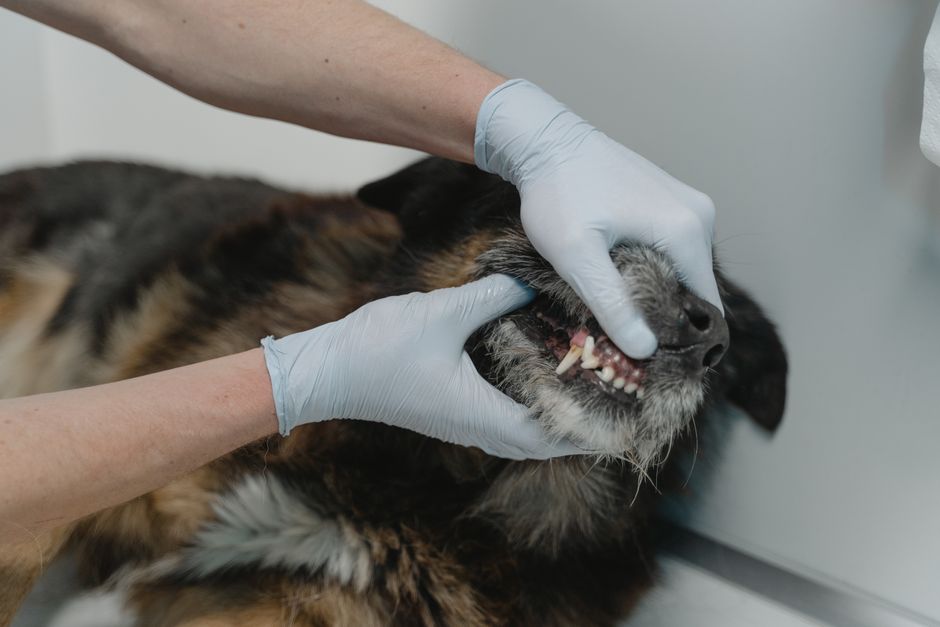
During a professional cleaning, your cat will be carefully evaluated for signs of oral disease. Our veterinary team may recommend dental radiographs to evaluate a pet’s teeth and underlying oral health, which provide detailed images of tooth roots and jawbones, helping us identify problems that aren’t visible during a regular oral exam. If advanced dental disease is found, treatments such as dental surgery or tooth extraction may be necessary to restore your cat’s comfort and prevent further complications.
It’s important to remember that dental diets cannot reverse established dental disease or remove existing tartar. Their main benefit is in slowing the accumulation of new deposits after a professional cleaning, helping keep your cat’s mouth healthier between visits.
Home Dental Care: What You Can Do Every Day
In addition to choosing the right dental-health cat food, there are several steps you can take at home to support your cat’s oral hygiene. Daily tooth brushing remains the gold standard for plaque control, but we understand that not every cat will tolerate having their teeth brushed. If brushing is not possible, offering dental treats or using water additives approved by your veterinarian can provide additional support. Providing toys that encourage chewing may also help, but be cautious with very hard objects that could damage your cat’s teeth.
Consistency is key. Incorporating dental care into your cat’s daily routine can make a significant difference in long-term oral health. If you have questions about which products are safe and effective, our veterinary team is always happy to provide guidance during your cat’s regular nutritional counseling services or wellness exams.
When to Seek Veterinary Help for Your Cat’s Dental Health
Knowing when to seek professional help is crucial for preventing minor dental issues from becoming major health problems. You should schedule an appointment with our veterinarians at Shey’s Veterinary Hospital if you notice persistent bad breath, visible tartar, red or bleeding gums, difficulty eating, pawing at the face, drooling, or any behavioral changes that could indicate pain. Additionally, if your cat has not had a dental examination in the past year, it’s time for a checkup.
It’s also a good idea to consult with our veterinary team before making any significant changes to your cat’s diet, especially if you’re considering a dental-health formula. Our professionals can help you select the most appropriate food based on your cat’s age, health status, and risk factors, and guide you through the transition to a new diet.
Why Partner with Shey’s Veterinary Hospital for Your Cat’s Dental Care?
As a trusted provider of comprehensive veterinary care in Orlando and surrounding communities, Shey’s Veterinary Hospital offers a full range of dental services, from preventive cleanings and nutritional counseling to advanced procedures like dental radiographs, surgery, and extractions. Our compassionate team takes the time to educate cat owners about the best ways to protect their pet’s oral health, including what would a veterinarian want a pet owner to understand about choosing dental-health cat food.
When you partner with us, you’re ensuring that your cat benefits from the latest veterinary knowledge and a caring approach that prioritizes their comfort and wellbeing. Orlando’s humid climate and common indoor-outdoor lifestyles mean dental disease can progress quickly without routine care; our veterinarians are here to help you stay ahead of problems and keep your cat’s smile bright.
Take the Next Step: Schedule a Dental Consultation for Your Cat Today
Choosing the right dental-health cat food is a thoughtful decision that can make a real difference in your cat’s quality of life, but it’s most effective as part of a comprehensive dental care routine. If you’re still wondering what would a veterinarian want a pet owner to understand about choosing dental-health cat food, our veterinary team at Shey’s Veterinary Hospital is ready to guide you. We encourage you to schedule an appointment for a dental evaluation, nutritional counseling, or to discuss which dental products and diets are best for your feline friend.
Contact our team at (321) 234-3188 or visit us at 1024 Avalon Park Blvd, Suite 7, Orlando, FL 32828 to get started. When searching for a veterinarian near me who truly cares about your cat’s health, you can be confident that Shey’s Veterinary Hospital will provide the expertise and compassion your pet deserves. For more information about our professional dental cleanings and teeth-cleaning services for pets, or to discuss the best nutrition for your cat, reach out to our team today. We look forward to helping your feline companion enjoy a healthy, comfortable, and happy life.