
May Pet Allergies: Relief for Orlando Dogs and Cats

May Pet Allergies: Relief for Orlando Dogs and Cats
Spring in Orlando brings blooming flowers, longer days, and—unfortunately for many pets—an uptick in allergy symptoms. If your dog or cat is scratching more, licking their paws, or dealing with watery eyes as the pollen count rises, you are not alone. Seasonal allergies in pets are a common concern during May and the early summer months across Central Florida. At Shey's Veterinary Hospital, located at 1024 Avalon Park Blvd, Suite 7, Orlando, FL 32828, we understand how frustrating and uncomfortable allergies can be for your furry companion—and for you as a caring pet owner. This article will help you recognize signs of allergies in your pet, understand what causes them, explore proven strategies for symptom relief, and know when it’s time to schedule an appointment for professional help. Our goal is to help Orlando-area pet owners keep their dogs and cats happy, healthy, and comfortable all season long.
Recognizing Allergy Symptoms in Orlando Dogs and Cats
Allergies can present in a variety of ways in dogs and cats, especially during peak pollen season in Central Florida. Pet owners often notice that symptoms become more noticeable in May, as trees, grasses, and weeds release pollen into the air. Key symptoms of seasonal allergies in pets include persistent scratching, licking or chewing at the paws, redness or inflammation of the skin, frequent ear infections, watery or red eyes, sneezing, and sometimes even hair loss. You might also observe your pet shaking their head more often, rubbing their face on furniture, or developing a musty odor from their skin. In cats, allergies can sometimes show up as over-grooming, tiny scabs, or hairless patches, especially along the back or neck. It’s important to remember that these symptoms can also be caused by other conditions, such as fleas or infections, so a proper diagnosis is essential.
How Allergies Impact Daily Life
Itching and discomfort can seriously affect your pet’s quality of life. A dog that spends all night scratching may become irritable or lethargic during the day, while a cat that compulsively grooms can develop painful sores. Allergies can also make pets more prone to secondary infections, particularly in the ears and on the skin. If you notice any of these signs, monitoring their frequency and severity will help your veterinarian understand the scope of the problem during a preventative medicine visit.
What Causes Seasonal Allergies in Pets?
Just like people, pets can develop allergies to substances in their environment. In Orlando, the biggest culprits during May are airborne pollens from trees, grasses, and weeds. When pets inhale or come into contact with these allergens, their immune systems may overreact, triggering inflammation and itchiness.
Common Environmental Triggers
Environmental triggers in Central Florida include oak and pine tree pollen, grass pollens, and mold spores, which thrive in humid conditions. Indoor allergens such as dust mites and mold can also contribute, especially if your home windows are open more often in spring.
The Role of Genetics and Immune System
Some pets are more predisposed to allergies based on their genetics and immune system makeup. Certain breeds, like retrievers and terriers, are known to be more prone to environmental allergies; however, any dog or cat can develop symptoms. Younger pets may begin to show signs as they reach one to three years of age, with symptoms often recurring each spring and summer.
How Shey’s Veterinary Hospital Diagnoses and Treats Pet Allergies
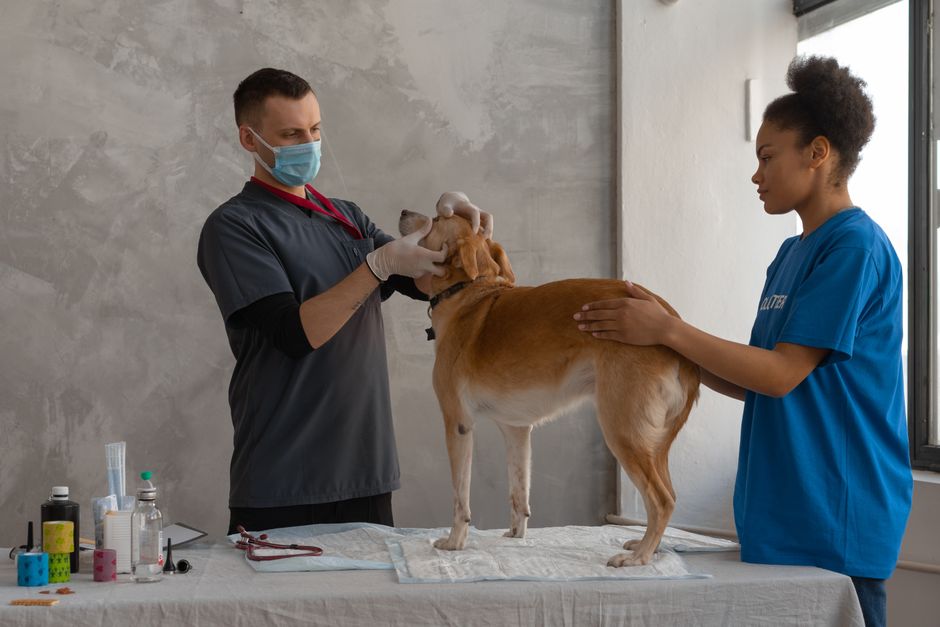
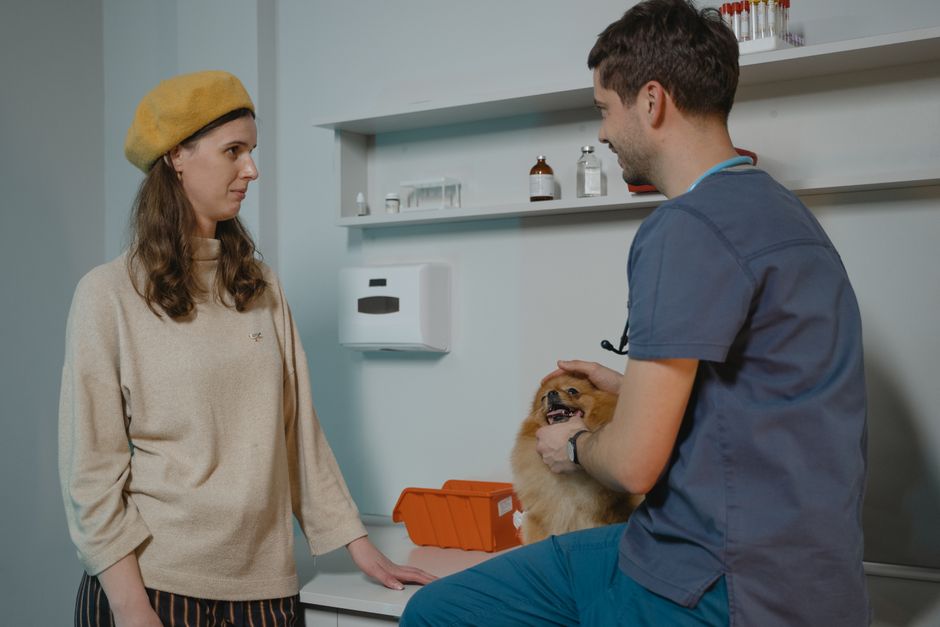
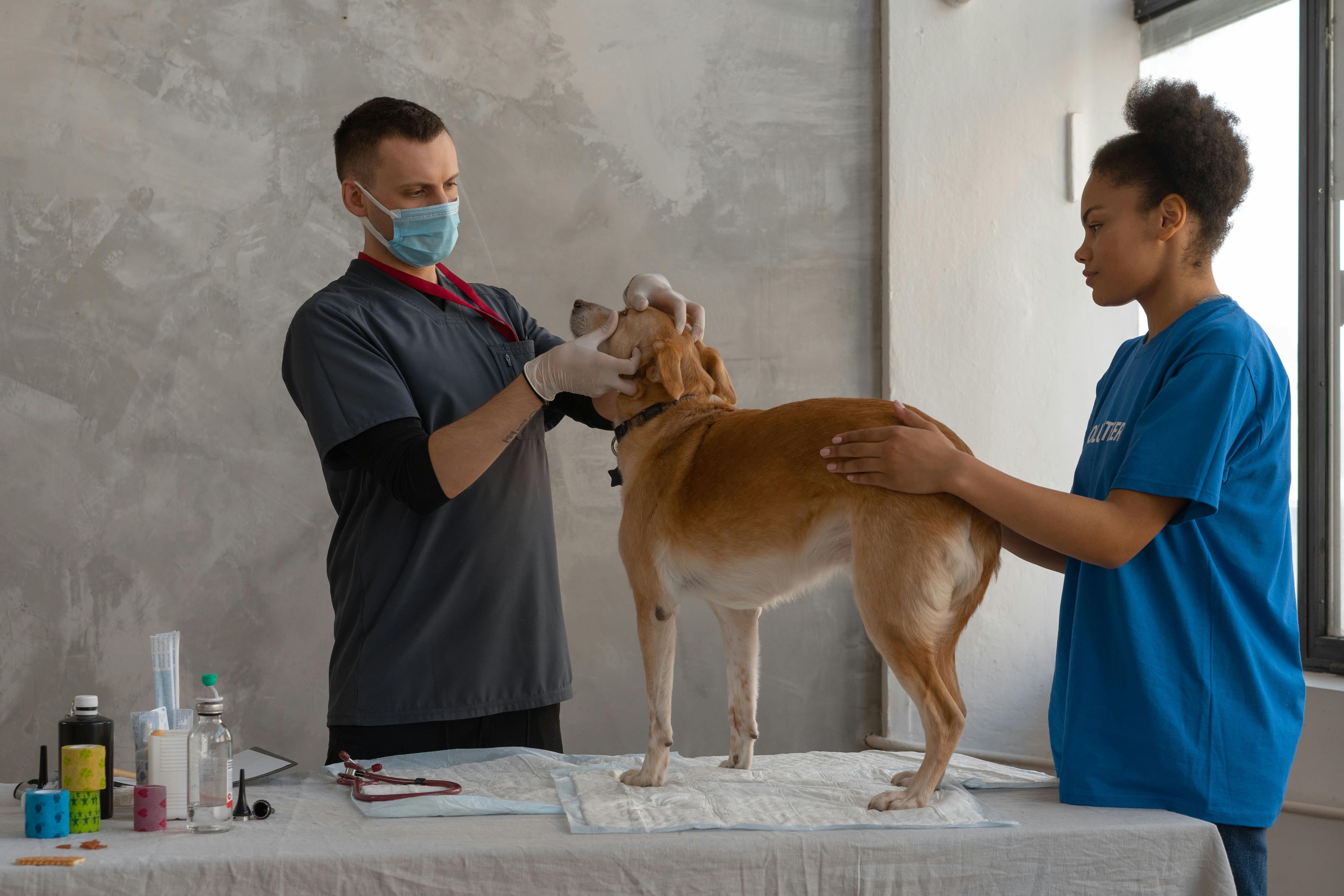
If you suspect your pet has allergies, scheduling a visit at Shey’s Veterinary Hospital allows our veterinary team to perform a thorough examination and discuss your pet’s history. Diagnosis often involves a combination of physical exams, discussion of symptoms, and sometimes additional tests to rule out other causes, such as skin infections, parasites, or food allergies.
Diagnostic Steps
During your visit, our veterinarians will conduct a detailed skin and ear exam, and may recommend laboratory testing to check for infections or underlying health issues. In some cases, your pet may benefit from skin scrapings, cytology (examining cells under the microscope), or allergy testing if symptoms are severe or persistent.
Allergy Management Options
Treatment approaches for seasonal allergies are tailored to your pet’s needs and may include a combination of therapies. Managing environmental exposure is important; this can mean wiping your pet’s paws and coat after walks or keeping windows closed on high pollen days. Medications such as antihistamines, prescription allergy medications, or corticosteroids may be recommended to control inflammation and itching. For some pets, medicated shampoos or topical sprays provide relief by soothing irritated skin and reducing allergen load.
If your pet develops a secondary infection due to scratching or licking, our veterinary professionals may prescribe antibiotics or antifungal medications. In more chronic or severe cases, immunotherapy (allergy shots) can help desensitize your pet to specific allergens over time. We provide guidance on the safest and most effective options, always putting your pet’s comfort and health first.
For those who need ongoing prescriptions or refills, our online pharmacy offers convenient access to trusted pet medications and products.
Home Care Strategies for Managing Pet Allergies
There are several steps pet owners can take at home to help minimize allergy symptoms and keep pets comfortable during the spring and summer months in Orlando. Bathing your pet regularly with a gentle, hypoallergenic shampoo can help remove pollen and allergens from the coat and skin. Wiping down your dog or cat’s paws and belly with a damp cloth after time outdoors will reduce the amount of pollen tracked into your home. Vacuuming frequently, washing bedding in hot water, and using air purifiers can also lower indoor allergen levels.
Changing daily routines, such as walking your dog in the early morning or late evening when pollen counts are lower, can make a difference. Monitoring local pollen forecasts and keeping pets indoors on particularly high-count days may help as well. If your pet has a history of allergies, talk with our team during your next preventative medicine appointment about tailored home care recommendations.
When Should You Seek Veterinary Care for Allergies?
While mild itching can sometimes be managed at home, certain warning signs mean it’s time to schedule a veterinary visit. If your pet is scratching so much that they develop open sores, are losing hair, or show signs of infection such as redness, swelling, or a foul odor, prompt veterinary attention is needed. Recurrent ear infections, persistent shaking of the head, or changes in behavior such as lethargy or loss of appetite are also causes for concern.
Pets that do not respond to home care, or whose symptoms interfere with their quality of life, will benefit from a professional evaluation and customized treatment plan. Early intervention helps prevent chronic skin problems and keeps your pet feeling their best through the allergy season.
If you are ever unsure about your pet’s symptoms, our veterinary team is always here to provide clear guidance and compassionate care. You can reach Shey’s Veterinary Hospital at (321) 234-3188 to discuss your concerns or schedule an appointment.
Supporting Your Pet’s Health All Spring and Summer
Seasonal allergies are a challenge for many dogs and cats in Orlando and surrounding communities, but with the right support, most pets can enjoy a comfortable and active spring. At Shey’s Veterinary Hospital, our commitment is to treat every animal with the same care we want for our own pets. If you are searching for a trusted "vet near me" to help your pet with allergy symptoms, our knowledgeable veterinary professionals are ready to partner with you.
Whether you need advice on daily allergy management, want to explore our full range of preventative medicine services, or require prescription relief through our online pharmacy, we are here to help. Schedule an appointment with our team by calling (321) 234-3188, or visit us at 1024 Avalon Park Blvd, Suite 7, Orlando, FL 32828. Let us help your dog or cat find lasting allergy relief and get back to enjoying the best of Orlando’s spring and summer. For more information about pet wellness, allergy management, or our vaccination services, explore our website at sheysvet.com or reach out to our friendly veterinary team today.
This blog is for informational purposes only and does not replace professional veterinary advice. Always consult your veterinarian for guidance specific to your pet’s health.