
Preventing Pet Allergies in Orlando’s Warm October Climate

Preventing Pet Allergies in Orlando’s Warm October Climate
Does your dog or cat seem itchier, sneeze more, or develop red, irritated skin every October? If you live in Orlando, you are not alone in noticing these changes as the seasons shift. Although autumn in other regions often brings relief from allergy symptoms, Orlando’s warm and humid October weather can actually increase the risk of allergies for your pets. At Shey’s Veterinary Hospital, located at 1024 Avalon Park Blvd, Suite 7, Orlando, FL 32828, our team of veterinarians understands the unique challenges that local pet owners face during this time of year. In this guide, we will help you recognize the signs of allergies in your pet, explain why Orlando’s October climate can be a trigger, and offer practical steps for prevention and relief. We will also discuss when to seek professional care and how our comprehensive services—including preventative medicine and physical exams—can support your companion’s comfort and wellbeing all season long.
Recognizing Allergy Symptoms in Your Dog or Cat
Pet allergies can take many forms, ranging from mild itching to more serious skin or respiratory issues. Identifying the signs early is key to preventing discomfort and complications. In Orlando’s October climate, watch for symptoms such as persistent scratching, licking, or chewing at the skin, especially between the toes, on the belly, or around the ears. You might also observe red, inflamed skin, hair loss in certain areas, or repeated head shaking. For some pets, allergies can show up as frequent sneezing, watery eyes, or nasal discharge. Less commonly, digestive upset, such as vomiting or diarrhea, may be linked to certain types of allergies.
If you notice changes in your dog or cat’s energy level, appetite, or behavior—such as restlessness at night due to itching—it is important to pay attention, as these can be early warning signs of discomfort. In many cases, allergy symptoms become more pronounced during October, when outdoor allergens combine with indoor triggers like mold, dust mites, and even certain cleaning products. Because these signs can overlap with other health problems, a physical examination by our veterinary team can help pinpoint the cause and start your pet on the path to relief.
Why Orlando’s October Climate Increases Pet Allergies
While many people think of spring as prime allergy season, Orlando’s October weather presents unique challenges for pets. Unlike northern regions where temperatures drop and pollen counts decrease, Central Florida’s autumn often remains warm and humid. This climate supports the continued growth of grasses, weeds, and molds, all of which can act as powerful allergy triggers for dogs and cats.
During October, ragweed and other late-blooming plants are still releasing pollen into the air. High humidity also promotes the presence of mold spores both outdoors and inside homes, especially in areas with poor ventilation. Additionally, as pet owners start to open windows to enjoy cooler evenings or spend more time outdoors with their pets, exposure to environmental allergens can increase. Even changes in routine—such as more frequent trips to dog parks or new landscaping in your yard—may introduce novel allergens to your pet’s environment.
This combination of persistent pollen, mold, and dust mites makes Orlando’s October climate particularly challenging for pets with sensitive skin or respiratory systems. Understanding these local factors is the first step to managing and preventing allergy flare-ups in your dog or cat.
Professional Treatment and Management of Pet Allergies
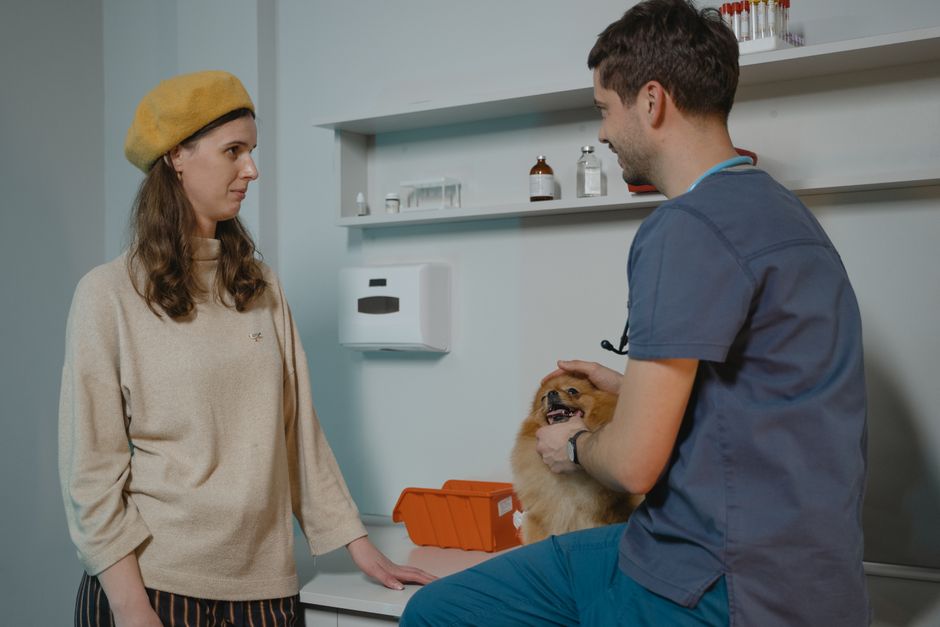
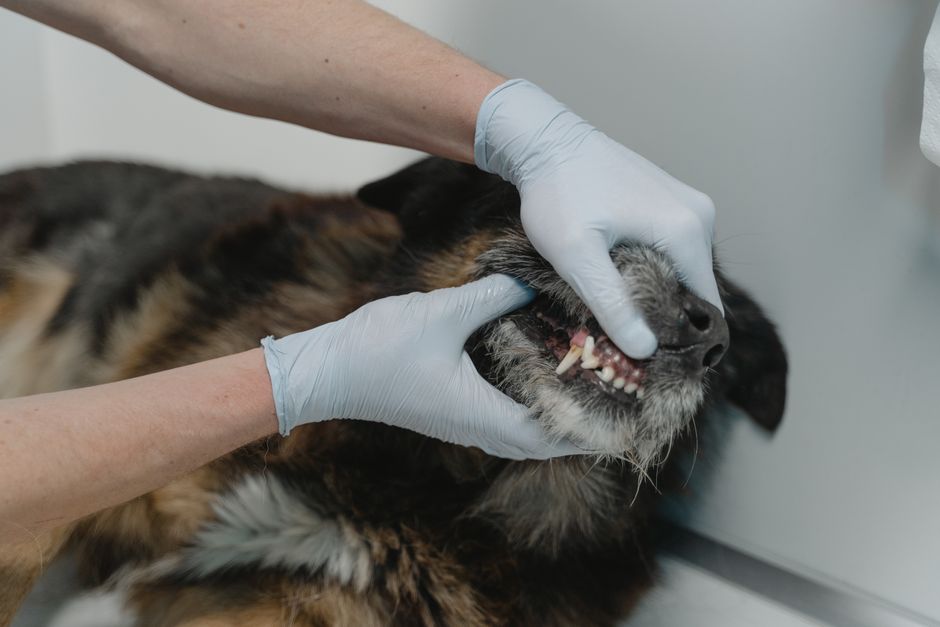
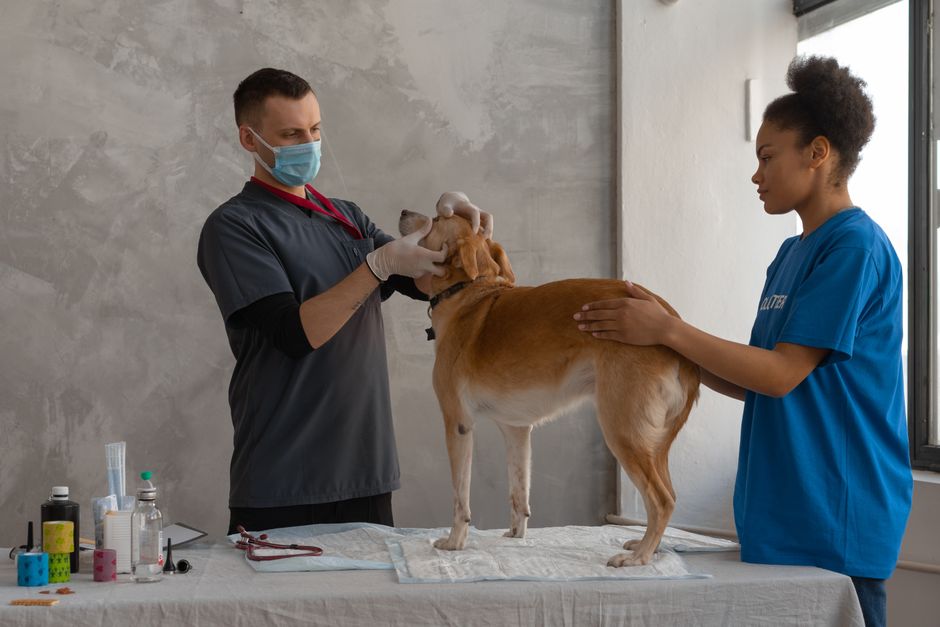
When allergy symptoms interfere with your pet’s quality of life, professional veterinary care is essential. At Shey’s Veterinary Hospital, our team of veterinarians takes a comprehensive approach to diagnosing and managing pet allergies. The process starts with a thorough history and a hands-on physical exam, where we look for patterns of skin irritation, hair loss, or respiratory signs. Depending on your pet’s symptoms, we may recommend additional diagnostics, such as skin scrapings, cytology, or allergy testing, to identify specific triggers.
Treatment options are tailored to your pet’s needs and may include medicated shampoos to soothe inflamed skin, oral or injectable medications to control itching, and topical therapies for localized irritation. In some cases, hypoallergenic diets are introduced to rule out or address food allergies. For pets with ongoing or severe allergies, long-term management strategies—such as immunotherapy or regular prescription medications—may be recommended. Our goal is always to minimize discomfort, reduce the need for frequent medications, and help your pet enjoy a happier, healthier life.
We also take time to educate pet owners on how to manage environmental factors and monitor for recurring symptoms. By scheduling semi-annual comprehensive exams, you can help our team track your pet’s progress and adjust treatment plans as needed throughout the year.
Preventing Allergies at Home: Practical Tips for Orlando Pet Owners
While professional treatment is crucial for moderate to severe allergies, many preventive steps can make a meaningful difference at home. Keeping your pet’s environment as allergy-free as possible is especially important in Orlando’s warm and humid October weather.
Frequent bathing with a veterinarian-recommended shampoo can help remove allergens from your pet’s coat and skin. Washing your dog or cat’s bedding, toys, and favorite resting spots on a regular basis reduces the buildup of dust mites and mold. Vacuuming carpets and upholstery, using HEPA filters in your home, and maintaining air conditioning systems are all effective ways to limit indoor allergen exposure.
If your pet spends time outdoors, consider wiping their paws and belly with a damp cloth after walks or playtime to remove pollen and grass. Limiting outdoor activities during peak pollen times—early morning and late afternoon—may also help sensitive pets. For cats, keeping windows closed and providing indoor enrichment can reduce exposure to outdoor triggers.
Diet and nutrition play a role as well. Feeding a high-quality, balanced diet supports healthy skin and a robust immune system. If you suspect a food allergy, consult our team for guidance on safe dietary changes.
Finally, be mindful when using cleaning products, air fresheners, or scented candles, as some chemicals can exacerbate allergy symptoms in sensitive pets. Choose pet-safe, fragrance-free options whenever possible.
When to Schedule a Veterinary Visit for Allergies
While many mild allergy symptoms can be managed at home, certain situations warrant prompt veterinary attention. If your dog or cat develops open sores, persistent skin infections, or significant hair loss, these may signal a more serious underlying condition or secondary infection. Signs such as constant scratching that leads to bleeding, severe swelling or hives, or difficulty breathing should always be considered emergencies and require immediate care.
Persistent symptoms that do not improve with home management, sudden changes in appetite or behavior, or ongoing digestive issues are also reasons to schedule an appointment. Remember that early intervention can prevent complications and minimize discomfort for your pet.
Our team at Shey’s Veterinary Hospital is here to provide expert guidance, from initial evaluation to ongoing management of allergies. Regular preventative medicine visits and semi-annual comprehensive exams are invaluable for monitoring your pet’s health and catching problems before they escalate.
Finding Compassionate Allergy Care for Your Pet in Orlando
Orlando’s October climate can be tough on dogs and cats prone to allergies, but you do not have to face these challenges alone. By staying alert to early signs, understanding the unique environmental triggers in our region, and taking proactive steps at home, you can help your pet stay comfortable year-round. When symptoms become persistent or severe, the experienced veterinary professionals at Shey’s Veterinary Hospital are ready to help with tailored treatment plans and ongoing support.
If you are searching for a veterinarian near me who truly understands the needs of Orlando pets, we invite you to schedule an appointment with our caring team. You can reach us at (321) 234-3188 or visit us at 1024 Avalon Park Blvd, Suite 7, Orlando, FL 32828 for comprehensive allergy relief, wellness care, and more. For additional information about our services, including allergy management and routine health checks, explore our preventative medicine and physical exam options online. Together, we can help your pet enjoy a healthier, more comfortable October in Orlando and beyond.
This article is intended for informational purposes only and should not replace professional veterinary advice. If your pet is experiencing severe symptoms or an emergency, please contact your veterinarian immediately.