
Protecting Orlando Pets From Fleas and Ticks This Spring


Protecting Orlando Pets From Fleas and Ticks This Spring
As spring arrives in Central Florida, many pet owners in Orlando and surrounding communities start to notice their pets scratching more or bringing in unwanted “hitchhikers” after a walk. Fleas and ticks thrive in our warm, humid climate, making them a year-round challenge, but especially troublesome during the spring. At Shey’s Veterinary Hospital, located at 1024 Avalon Park Blvd, Suite 7, Orlando, FL 32828, we understand how frustrating and concerning these pests can be for you and your furry companions. In this blog, you’ll learn how to recognize the signs of flea and tick problems, what causes infestations in our region, treatment options, and how you can protect your pet this spring and beyond. We’ll also explain how our veterinary team can support you with comprehensive parasite prevention and ongoing wellness care. If you’re looking for reliable advice and compassionate support, you’re in the right place.
Recognizing Flea and Tick Problems in Your Pet
Many pet owners first realize there’s a problem when their dog or cat begins scratching more than usual or seems generally uncomfortable. Fleas and ticks can cause a range of symptoms in pets, and being able to spot the early warning signs is crucial for effective treatment. Common signs of fleas include persistent scratching, chewing, or licking at the skin, especially around the base of the tail, neck, or belly. You may notice red, irritated skin, hair loss, or even tiny black specks (sometimes called “flea dirt”) in your pet’s fur, which are actually flea droppings.
Ticks can be a little trickier to spot. Often attaching themselves to hidden areas such as under the collar, between the toes, or inside the ears, ticks may initially go unnoticed. As they feed, they become larger and easier to feel as small, round bumps on your pet’s skin. Pets dealing with a tick may show signs like excessive scratching at one spot, localized redness, or swelling. In severe cases, both fleas and ticks can cause anemia, especially in young or small animals, due to blood loss.
If your pet seems unusually tired, has pale gums, or is losing its appetite, these can be signs of a more serious infestation. Keep in mind, some pets may develop allergies to flea saliva, leading to intense itching and secondary skin infections that require prompt veterinary attention.
Why Fleas and Ticks Are a Springtime Threat in Orlando
Orlando’s subtropical climate, with its warm temperatures and frequent rain, creates the perfect breeding ground for fleas and ticks. As spring temperatures rise, these parasites become more active, searching for hosts like your pets and even people. Unlike some regions where cold winters offer a break from pest activity, Central Florida’s mild winters allow flea and tick populations to persist throughout the year, with numbers peaking in the spring and summer months.
Fleas reproduce rapidly; a single flea can lay dozens of eggs per day, quickly leading to home infestations. Ticks, on the other hand, are often picked up during walks in grassy areas, parks, or even your backyard. Orlando’s abundant green spaces, combined with the presence of wildlife such as squirrels, raccoons, and opossums, provide ample opportunities for these pests to find new hosts. As you and your pet enjoy more time outdoors this spring, the risk of exposure increases significantly.
It’s important to remember that fleas and ticks are not just a nuisance; they can also transmit serious diseases. Fleas are known for spreading tapeworms and causing flea allergy dermatitis, while ticks can transmit illnesses such as Lyme disease, ehrlichiosis, and anaplasmosis. Some of these conditions can affect both pets and people, making prevention essential for your entire family’s health.
Professional Treatment Options at Shey’s Veterinary Hospital
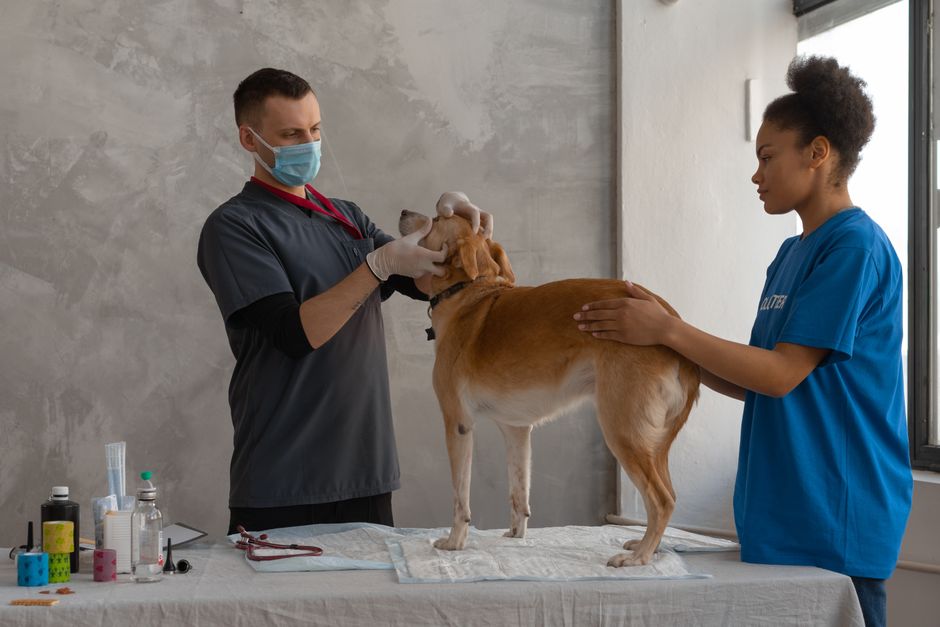
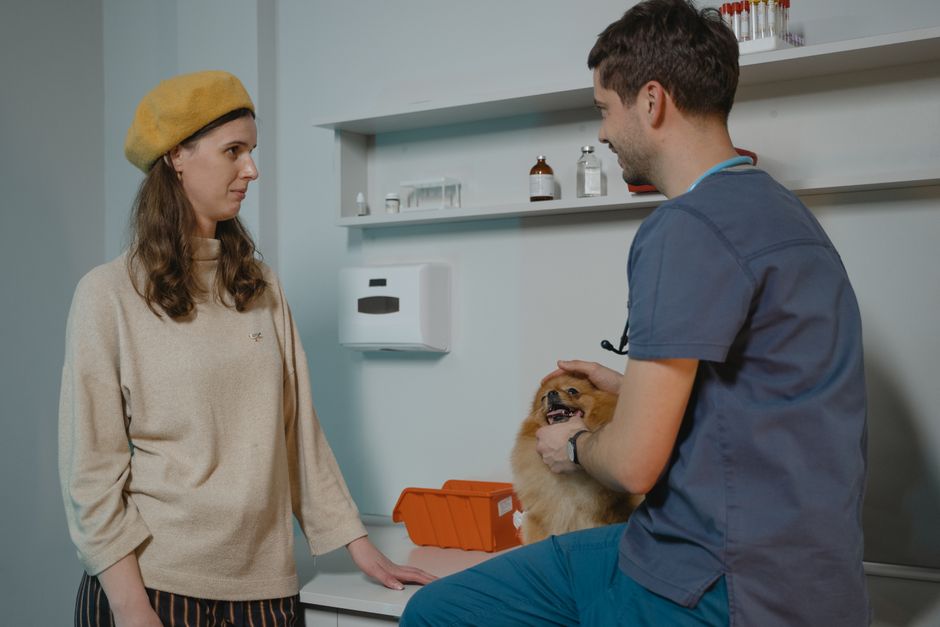
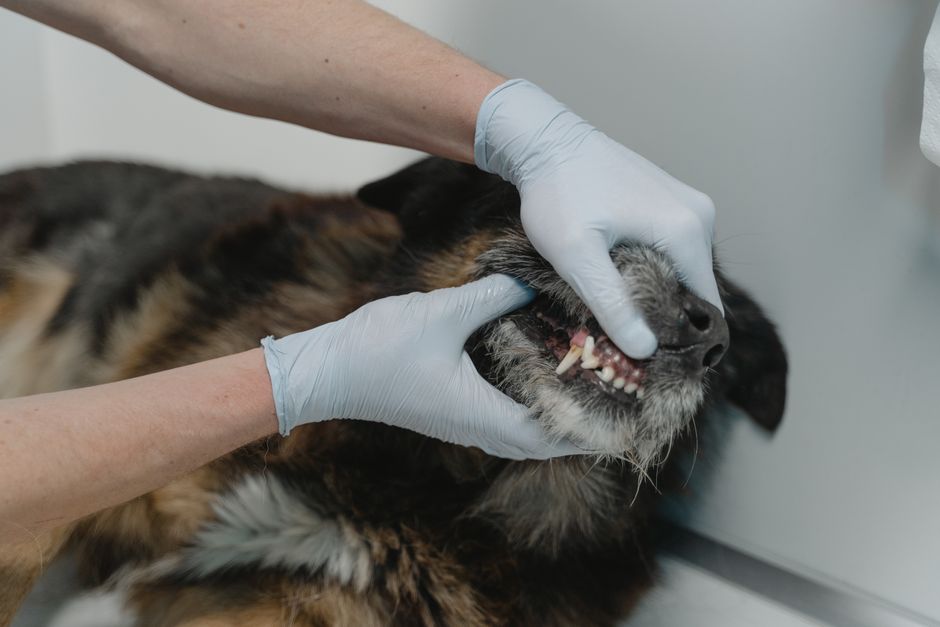
If you suspect your pet has a flea or tick problem, the best course of action is to schedule an appointment with our veterinary team. At Shey’s Veterinary Hospital, we offer thorough examinations to determine the extent of the infestation and recommend the most effective treatment tailored to your pet’s needs.
Treatment approaches often involve prescription-strength flea and tick preventives that are safer and more effective than many over-the-counter products. These may come in the form of topical solutions, oral medications, or collars, depending on your pet’s age, health status, and lifestyle. In cases of heavy flea infestations, additional steps such as medicated baths or environmental treatments for your home may be recommended to eliminate eggs and larvae and prevent reinfestation.
For pets with skin irritation or secondary infections caused by scratching, our veterinarians may prescribe soothing medicated shampoos or antibiotics. We also check for signs of tick-borne diseases, which sometimes require blood tests and additional supportive care. Our goal is to resolve the immediate problem while ensuring your pet’s comfort and long-term health.
As part of our commitment to preventive medicine, we encourage incorporating regular parasite screenings into your pet’s wellness plan. You can learn more about our approach to preventative care and comprehensive exams, which include parasite detection and guidance on protection strategies.
Preventing Fleas and Ticks: Actionable Steps for Pet Owners
The good news is that with the right habits and veterinary support, you can keep your pet protected from fleas and ticks all year long. The cornerstone of prevention is using veterinarian-recommended flea and tick control products consistently. Our veterinary team can help you choose the right product based on your pet’s species, age, health status, and environment.
Maintaining a clean home is equally important. Regularly vacuuming carpets, rugs, and furniture, as well as washing your pet’s bedding in hot water, removes eggs and larvae before they can mature. Outdoor areas should be kept tidy by trimming grass and removing leaf litter, which are favorite hiding spots for ticks. Examine your pet after outdoor play, especially if you’ve visited parks or wooded areas, paying close attention to hidden spots like under the collar or between the toes.
Year-round protection is recommended for pets in Orlando due to our climate. Skipping treatments during the cooler months can leave your pet vulnerable to sudden infestations. Additionally, annual or semi-annual checkups provide an opportunity for our veterinarians to check for any signs of parasites and update your pet’s prevention plan as needed.
Microchipping your pet is another way to ensure their safety, as pets with flea or tick irritation may be more likely to run off. You can learn about the benefits of microchipping your pet as part of a comprehensive safety strategy.
When to Seek Veterinary Care for Fleas and Ticks
While mild flea or tick issues may seem manageable at first, certain situations require immediate professional attention. If your pet is scratching excessively, developing raw or bleeding skin, showing signs of lethargy, or losing weight, it’s time to schedule an appointment. Pets with visible ticks, especially if you’re unable to remove the tick safely or if your pet becomes ill after removal, should also be promptly examined.
Puppies, kittens, senior pets, or those with underlying health conditions are especially vulnerable to complications from fleas and ticks and may need extra support. If you find more than one or two ticks, or notice a sudden increase in fleas despite using preventives, this may indicate a larger infestation that needs veterinary intervention.
At Shey’s Veterinary Hospital, our veterinarians can provide thorough diagnostic testing, treatment, and guidance to help you address the problem quickly and effectively. We are always available to answer questions and help you determine the best course of action for your pet’s situation.
Keeping Your Orlando Pet Safe: Your Next Steps
Protecting your pet from fleas and ticks is a year-round commitment, but springtime in Orlando is when vigilance truly pays off. By watching for early warning signs, using effective prevention methods, and staying in touch with your veterinary team, you can help your pet enjoy a comfortable, itch-free season. Our knowledgeable veterinarians at Shey’s Veterinary Hospital are dedicated to partnering with you for your pet’s health and happiness.
If you’re searching for a veterinarian near me who understands the unique challenges of Central Florida, look no further than our team. Schedule an appointment today by calling (321) 234-3188 or visiting us at 1024 Avalon Park Blvd, Suite 7, Orlando, FL 32828. We invite you to explore our preventative medicine services and discover how we can help your pet stay healthy all year long. Your pet’s well-being is our top priority, and we look forward to being your trusted partner in their care.
Disclaimer: The information provided in this blog is for educational purposes only and should not replace professional veterinary advice. Please consult with our veterinarians at Shey’s Veterinary Hospital for diagnosis and treatment recommendations specific to your pet’s needs.