
Protecting Orlando Pets From Spring Allergies: Tips for Pet Owners


Protecting Orlando Pets From Spring Allergies: Tips for Pet Owners
As spring arrives in Orlando, pet owners may notice their dogs and cats showing new or worsening signs of itching, sneezing, or general discomfort. The burst of pollen, blooming plants, and longer days in Central Florida can trigger seasonal allergies in our furry companions just as they do in people. At Shey's Veterinary Hospital, located at 1024 Avalon Park Blvd, Suite 7, Orlando, FL 32828, we understand how distressing it is to watch your pet struggle with allergy symptoms. Our compassionate team is committed to helping Orlando families keep their pets happy, healthy, and comfortable as the seasons change. In this post, you’ll learn how to recognize the signs of spring allergies in pets, what causes these reactions, how allergies can be managed, and what steps you can take at home to reduce symptoms. We will also explain when it’s time to schedule an appointment with our veterinary professionals for expert care. If you are searching for comprehensive veterinary services to support your pet’s wellbeing throughout the year, we invite you to explore our veterinary services and discover how we can help.
Recognizing Spring Allergy Symptoms in Orlando Dogs and Cats
Spring allergies can look different in each pet, but there are several common signs that Orlando owners should watch for as the weather warms up. Key symptoms include persistent scratching, licking, or chewing at the paws, belly, or base of the tail, which often leads to red, irritated skin. Some pets may develop hot spots or areas of hair loss, while others start shaking their heads or rubbing their faces on furniture and carpets. Sneezing, watery eyes, and nasal discharge are also indicators that your dog or cat may be reacting to environmental allergens. For dogs, symptoms often center on the skin, while cats may show more subtle changes, such as increased grooming or avoidance of favorite spots. Other signs are ear infections, frequent paw licking, and a noticeable decrease in energy or appetite. If your pet is suddenly scratching more after walks or outdoor play, or if you notice rashes or recurrent skin infections, spring allergies could be to blame.
What Causes Spring Allergies in Orlando Pets?
Spring in Orlando brings a surge of pollen, mold spores, and environmental irritants that can trigger allergic reactions in susceptible pets. Trees, grasses, and weeds release large amounts of pollen during this time, and windy days can carry these particles for miles. Pets with sensitive immune systems may react to these airborne allergens by developing symptoms similar to hay fever in people. In addition to pollen, other factors that contribute to spring allergies include increased outdoor activity, exposure to fertilizers or pesticides, and higher humidity levels that support mold growth. Some pets are also sensitive to dust mites or flea bites, which can worsen during the warmer months. Genetics play a role, as certain breeds and individuals are more prone to developing allergies. For example, breeds like Golden Retrievers, Bulldogs, and Siamese cats may be more likely to show signs of seasonal allergies. Environmental changes in homes, such as open windows and increased use of air conditioning, can also circulate allergens indoors, affecting pets who spend most of their time inside.
How Spring Allergies Are Treated at Shey’s Veterinary Hospital
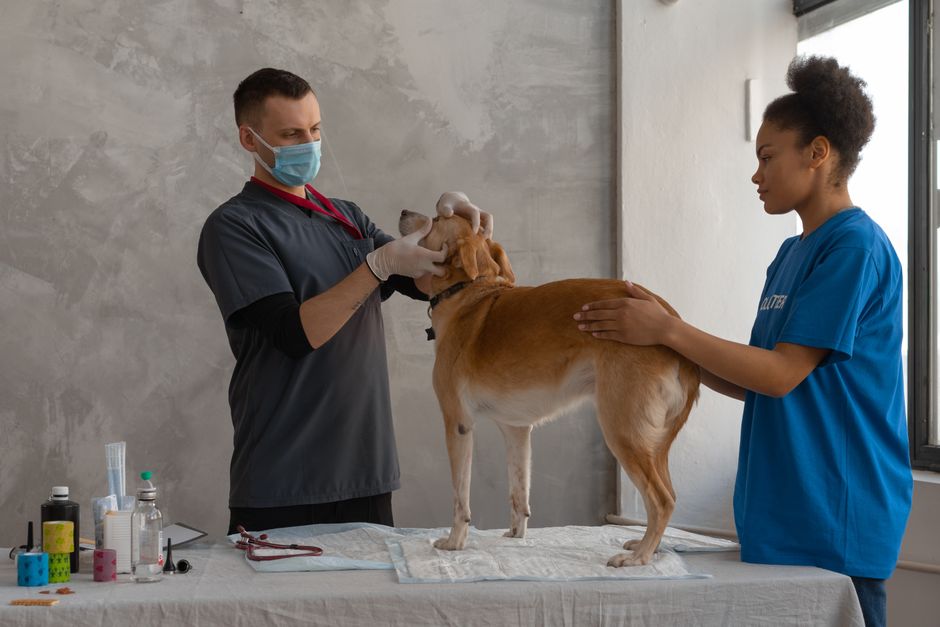
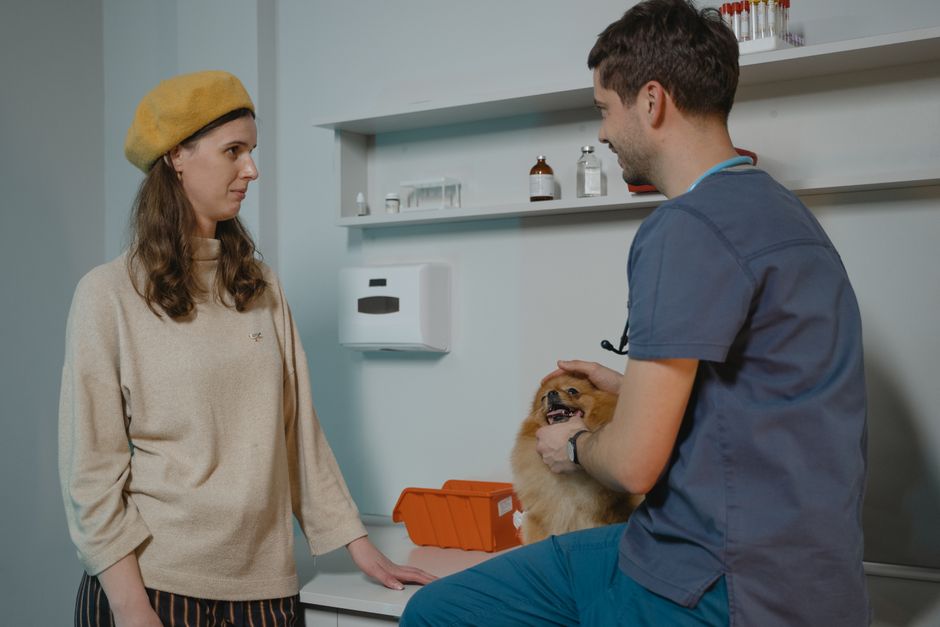
When you schedule an appointment at Shey's Veterinary Hospital, our veterinary team will begin by gathering a thorough history of your pet’s symptoms, lifestyle, and previous medical conditions. Diagnosis typically involves a physical examination, and may include skin scrapings, allergy testing, or laboratory work to rule out other causes of itching or respiratory symptoms. Treatment approaches involve several strategies designed to reduce your pet’s discomfort and manage allergic reactions safely.
For many pets, our veterinarians may recommend a combination of medicated shampoos, topical sprays, antihistamines, or prescription medications to control itching and inflammation. In more severe cases, allergy injections or immune-modulating therapies may be discussed to help desensitize your pet’s immune response over time. If secondary skin or ear infections are present, antibiotics or antifungal medications may be prescribed. For pets who experience frequent flare-ups, our team works with you to develop a long-term management plan that may include regular preventative medicine and wellness exams to monitor your pet’s progress throughout the year.
It is important to remember that every pet is unique; therefore, our veterinarians tailor treatment plans to your pet’s specific needs and health history. Ongoing communication and follow-up visits help us adjust therapies and ensure your pet remains comfortable as the seasons change.
Preventing and Managing Spring Allergies at Home
While veterinary care is essential for managing moderate to severe allergies, there are many practical steps pet owners in Orlando can take at home to reduce their pet’s exposure to seasonal allergens. Regular bathing with pet-safe, hypoallergenic shampoos helps rinse away pollen and allergens from your pet’s coat and skin. Wiping your pet’s paws and belly with a damp cloth after outdoor walks is another effective way to minimize allergen buildup, especially for dogs that love to explore grassy areas or wooded trails.
Keeping your home environment clean also plays a crucial role. Vacuuming carpets and upholstery frequently, washing pet bedding in hot water, and using air purifiers can help limit the amount of pollen and dust circulating indoors. During high pollen days, consider keeping windows closed and limiting outdoor activities to early morning or evening, when pollen counts tend to be lower. For cats who enjoy window perches, regularly clean sills and surrounding areas to prevent allergen accumulation. Make sure your pet is protected from fleas, as flea bites can worsen allergy symptoms and lead to additional skin irritation.
Nutrition and immune support can also make a difference. Feeding a balanced, veterinarian-recommended diet and providing plenty of fresh water helps maintain healthy skin and a strong immune system. Some pets benefit from supplements such as omega-3 fatty acids, which are known to reduce inflammation and support skin health; however, always consult your veterinarian before starting new supplements.
When to Seek Veterinary Care for Your Pet’s Allergies
While mild allergies can sometimes be managed at home, it is important to recognize when your pet needs professional help. Warning signs to watch for are persistent or severe itching that leads to open sores, repeated ear infections, difficulty breathing, or signs of pain or distress. If your pet is losing hair, has hot spots that are not healing, or develops swelling around the face or muzzle, these may indicate a more serious allergic reaction or a secondary infection that requires immediate attention. Pets who show behavioral changes, such as lethargy or loss of appetite, should be seen by a veterinarian to rule out underlying health concerns.
If you’re unsure whether your pet’s symptoms are related to allergies or if over-the-counter remedies are not providing relief, scheduling a visit with our veterinary professionals is the best way to ensure your pet receives the care they need. Early intervention can prevent complications and help your pet return to a comfortable, happy life. The team at Shey’s Veterinary Hospital is here to support you with expert advice, diagnostics, and personalized treatment plans for pets in Orlando and nearby neighborhoods.
Keeping Your Orlando Pet Comfortable All Spring
Spring allergies can make life uncomfortable for both pets and their families, but with attentive care and the right strategies, you can help your furry companion enjoy the season to the fullest. By recognizing early signs, taking preventive steps at home, and working closely with your veterinary team, you give your pet the best chance at a happy, itch-free spring. If you have questions or notice changes in your pet’s behavior, do not hesitate to reach out to our caring veterinarians at Shey’s Veterinary Hospital.
To schedule an appointment or learn more about our comprehensive veterinary services, call us at (321) 234-3188 or visit us at 1024 Avalon Park Blvd, Suite 7, Orlando, FL 32828. When you are searching for a trusted vet near me, our veterinary professionals in Orlando are dedicated to providing the compassionate, high-quality care your pet deserves. We look forward to supporting you and your pet through every season.
Disclaimer: This blog is intended for informational purposes only and should not be used as a substitute for professional veterinary care. Always consult your veterinarian with specific questions or concerns about your pet’s health. For urgent issues or severe symptoms, seek immediate attention from your local veterinary clinic.