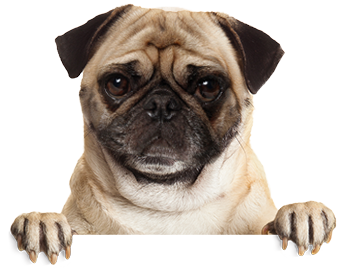

Rainy Day Pet Care: Keeping Orlando Dogs and Cats Healthy
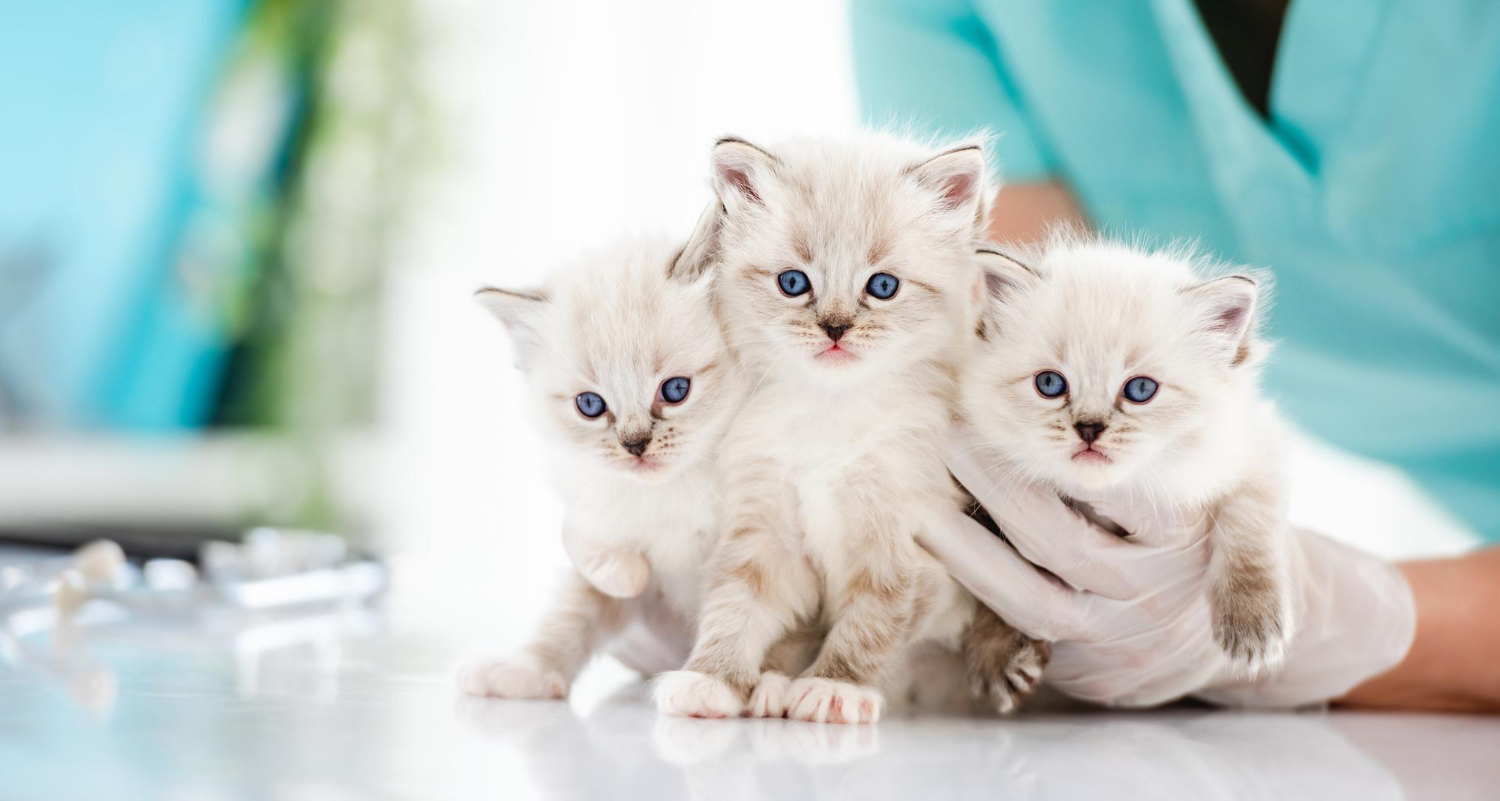

Rainy Day Pet Care: Keeping Orlando Dogs and Cats Healthy
Rainy season in Orlando brings its share of cozy afternoons, but it can also pose unique challenges for pet owners who want to keep their dogs and cats healthy and happy. When the skies open up, daily routines shift: walks may get shorter or skipped, curious cats might get restless indoors, and damp conditions can create the perfect environment for skin issues or unwanted pests. At Shey's Veterinary Hospital, located at 1024 Avalon Park Blvd, Suite 7, Orlando, FL 32828, our veterinary team understands how local weather can affect your pet’s wellbeing. This blog explores practical strategies for managing wet weather walks, preventing common rainy-season health problems, and keeping your pets stimulated indoors. You’ll also discover how our comprehensive services can support your pet’s health, no matter what the weather brings.
Recognizing Rainy Day Pet Challenges in Orlando
Orlando’s rainy season, especially in September, is known for its frequent downpours and humid afternoons. These weather patterns often make regular outdoor routines more complicated for both dogs and cats. For many dogs, shortened or hurried walks during rain lead to pent-up energy and sometimes behavioral changes like excessive barking or chewing. Cats, whether indoor or adventurous outdoor types, may be less inclined to exercise or play in damp conditions, which can result in boredom or stress.
Pet owners may notice that wet fur remains damp longer, especially in breeds with thick or double coats. This can lead to that familiar “wet dog” smell, but also to more concerning issues like persistent dampness between toes or under collars, which can cause skin irritation. Other signs that rainy weather is affecting your pet include hesitance to go outside, licking or chewing at their paws, or visible red patches on the skin. During these wet months, it’s also common for pets to seek out warm, covered spots that might be difficult to clean, increasing the risk for lingering odors or even mold exposure.
Why Rainy Weather Can Pose Health Risks for Pets
The combination of moisture, warmth, and limited outdoor activity during rainy periods creates an environment where certain health issues thrive. In Orlando, elevated humidity and frequent showers can make matters worse, especially for pets with sensitive skin or allergies.
Standing water and damp grass are breeding grounds for bacteria, fungi, and parasites. Dogs and cats that walk or play outside after a storm are more likely to pick up muddy debris, which can harbor harmful organisms. For example, the risk of skin infections such as hot spots increases when moisture gets trapped against the skin. Hot spots develop rapidly, often appearing as red, moist, and sometimes oozing lesions that can make pets extremely uncomfortable.
Fleas, ticks, and mosquitoes also become more active in wet weather. Mosquitoes, in particular, thrive in standing water and can transmit heartworm disease to both dogs and cats. This is why regular heartworm testing becomes even more important during the rainy season in Orlando. In addition, fungal organisms like those responsible for ringworm can flourish in damp environments and are easily spread between animals or from contaminated surfaces.
Indoor boredom is another concern. When rain keeps pets inside, they may not get enough physical activity or mental stimulation. This can lead to behaviors such as scratching furniture, vocalizing, or overeating out of boredom, all of which can negatively impact their overall health and wellbeing.
Managing Wet Walks and Damp Days: Practical Tips for Pet Owners
Even when the rain is coming down, dogs still need exercise, and some cats enjoy a little supervised outdoor time. Managing these outings requires a few adjustments to keep your pet comfortable and healthy.
Choose the right time for walks by heading out during lighter rain or brief breaks in the weather. Outfitting your dog with a well-fitted raincoat or waterproof jacket can help keep their fur dry, while booties protect sensitive paws from mud, debris, and chemical runoff often found on sidewalks during storms. When you return home, thoroughly towel-dry your pet, paying special attention to areas that tend to stay damp such as between the toes, under the belly, and around the ears. For cats venturing outside, gently wiping down their coat helps prevent them from ingesting dirt or chemicals during grooming.
If your pet does get soaked, make sure to brush out their coat to remove tangles and allow air to circulate, which speeds up drying and reduces skin irritation. It’s a good idea to wash your pet’s bedding more frequently during the rainy season, as dampness can linger and contribute to odors or fungal growth.
For pets reluctant to venture outside, try encouraging them with treats or play, and offer plenty of praise when they do their business outdoors despite the weather. If your dog simply refuses to go out in the rain, consider setting up a covered potty area in a garage, on a porch, or using indoor potty pads as a temporary solution.
Preventing Skin Issues and Parasite Problems in Rainy Weather
One of the most common rainy day health issues in dogs and cats is skin irritation. Persistent moisture, combined with Orlando’s humidity, creates the perfect conditions for hot spots, fungal infections, and other skin problems. Early signs include licking, scratching, or chewing at the skin, as well as redness, swelling, or hair loss. If you notice any of these changes, it’s important to schedule an appointment with our veterinary professionals for a physical examination.
Regular grooming is essential during the rainy season. Brushing your pet more often helps remove loose hair and debris, reduces matting, and allows you to check for signs of irritation or parasites. For dogs and cats with longer coats, trimming fur around the paws and belly can minimize the amount of moisture and dirt that clings to their skin.
Keeping your pet’s flea, tick, and heartworm preventatives up to date is especially important during the rainy season. Mosquitoes are most active after rain, and just a single bite can transmit heartworm disease to your pet. Our team offers heartworm testing and prevention plans tailored to your pet’s lifestyle and risk factors. If you have questions about the best products or schedules for parasite prevention, we are always happy to provide guidance.
For skin health, also watch for subtle changes such as a musty odor, greasy or flaky patches, or small scabs, which could signal the start of a skin infection. Prompt veterinary care helps prevent minor issues from turning into more serious problems.
Indoor Entertainment: Keeping Pets Active and Happy When It Rains
When outdoor adventures are limited, keeping your dog or cat entertained indoors helps prevent boredom and supports their physical and mental wellbeing. Rotate your pet’s toys to maintain interest, introducing puzzle feeders or treat-dispensing toys that challenge them to think and move. Interactive games, such as hide-and-seek with treats or gentle tug-of-war, allow you to bond while providing exercise.
For cats, window perches or bird-watching stations offer hours of entertainment, especially during rainy weather when the outside world is bustling with activity. You might also try setting up obstacle courses or tunnels that encourage exploration and play. For dogs, practicing training cues or teaching new tricks not only keeps their mind sharp but also helps them expend energy in a positive way.
If your pet seems restless or anxious during storms, providing a cozy, quiet space with their favorite blanket or bed can offer comfort. Some pets benefit from calming music or white noise, which helps mask the sound of heavy rain or thunder.
How Preventive Veterinary Care Supports Rainy Day Health
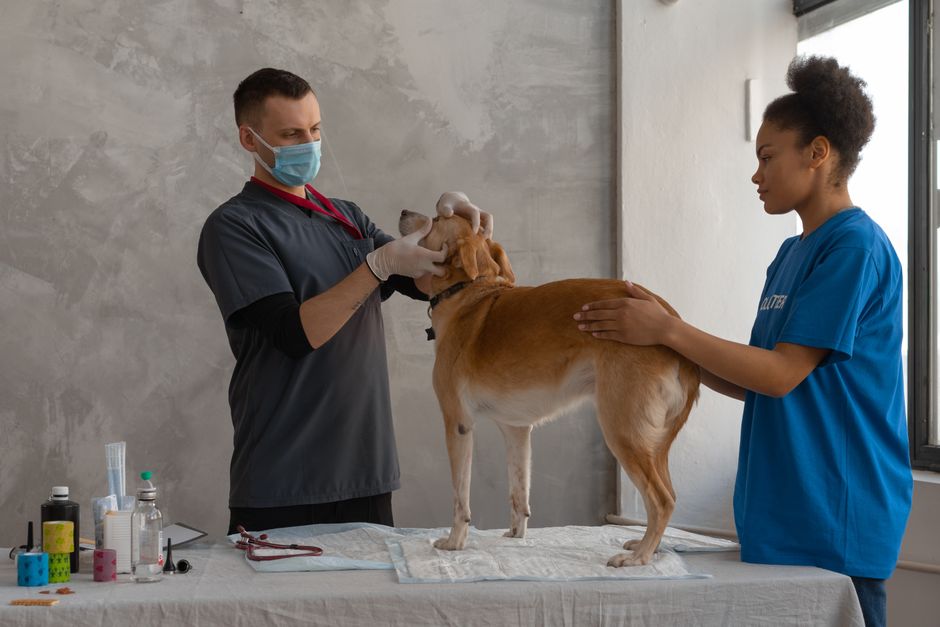
Regular veterinary checkups are the cornerstone of keeping your pet healthy, no matter the season. During rainy months, these visits play a key role in identifying early signs of skin issues, reviewing parasite prevention plans, and updating vaccinations that protect against diseases more common in wet weather.
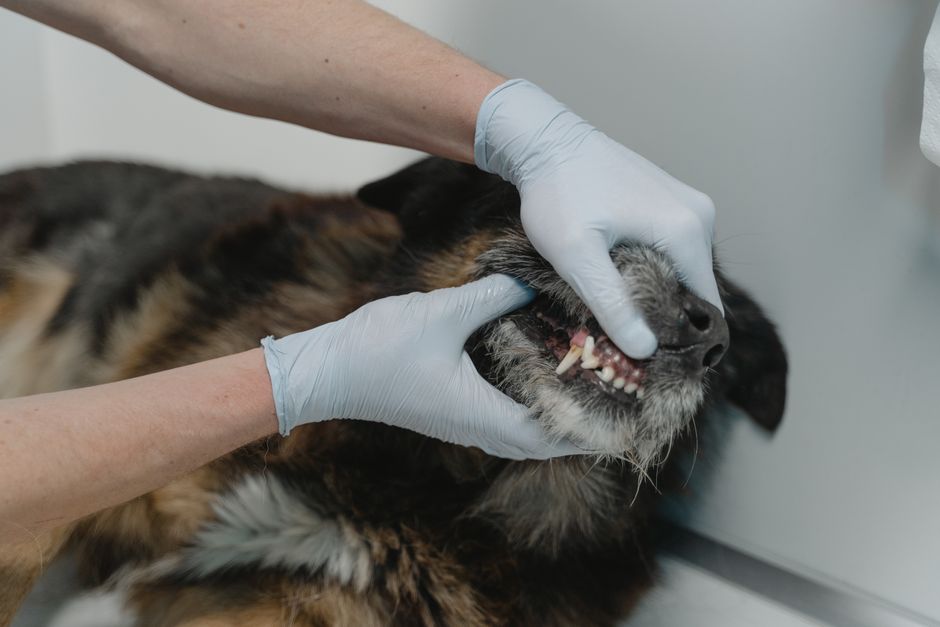
At Shey's Veterinary Hospital, our preventative medicine services include semi-annual exams, parasite screening, and personalized wellness plans. Our veterinarians assess your pet’s skin and coat health, look for signs of allergies or infection, and discuss any changes in behavior or activity that you’ve noticed during the rainy season. We also offer pet vaccination services to protect against diseases that thrive in humid, crowded environments, including leptospirosis and respiratory infections.
By staying proactive about your pet’s health, you can address potential problems before they become serious, ensuring your dog or cat enjoys every season in comfort.
When to Schedule a Veterinary Appointment
While many rainy day issues can be managed at home with good hygiene and routine care, some situations call for prompt attention from our veterinary team. If your pet develops red, moist, or oozing skin lesions; displays persistent itching or discomfort; or you notice any swelling, foul odor, or sudden hair loss, it’s time to schedule a visit. Likewise, coughing, lethargy, or unexplained weight loss during the rainy season may signal heartworm or other illnesses that require immediate care.
If you are ever unsure whether your pet’s symptoms are cause for concern, our veterinarians are here to help guide you. Timely intervention often leads to faster recovery and less stress for both you and your pet.
Keeping Orlando Pets Healthy—Rain or Shine
Rainy days may be part of life in Orlando, but with a little preparation and the right support, you can keep your dog or cat healthy, comfortable, and happy no matter the forecast. Focus on maintaining a routine, practicing good hygiene, and offering plenty of entertainment to help your pet thrive indoors. Remember that preventive care, including regular checkups and up-to-date vaccinations, is your best defense against health issues that are more common during wet weather.
If you have concerns about your pet’s skin, behavior, or overall wellbeing during the rainy season, don’t hesitate to schedule an appointment with our compassionate veterinary team at Shey's Veterinary Hospital. You can reach us at (321) 234-3188 or visit us in person at 1024 Avalon Park Blvd, Suite 7, Orlando, FL 32828. For those searching for a vet near me in Orlando and surrounding communities, our team is dedicated to providing the highest standard of care for your pets, rain or shine. For more information on our preventive care services or to book your next appointment, explore our preventative medicine offerings and let us be your partner in every season.