
When to Seek Help Choosing Dry vs Wet Food for Pet Dental Health

When to Seek Help Choosing Dry vs Wet Food for Pet Dental Health
If you’re like many pet owners in Orlando, you’ve likely asked yourself, “How can I tell whether I need professional help with choosing dry versus wet food for dental health?” Nutrition plays a major role in your dog or cat’s oral wellness, but with so much conflicting advice available online and in pet stores, it’s easy to feel overwhelmed. At Shey’s Veterinary Hospital, our veterinary team understands that every pet’s mouth is unique, and what works for one animal may not be ideal for another. In this guide, we’ll help you recognize when expert advice is needed, explore how diet affects dental health, and explain how we can support you and your pet with personalized recommendations here at 1024 Avalon Park Blvd, Suite 7, Orlando, FL 32828.
Throughout this article, you’ll discover what to watch for in your pet’s teeth and gums, the key differences between dry and wet food, and how to know when it’s time to schedule an appointment for veterinary nutritional counseling. We’ll also provide practical home care tips and guide you on how to find tailored solutions for your pet’s dental needs in Orlando and surrounding communities. If you’re searching for clear answers about “how can I tell whether I need professional help with choosing dry versus wet food for dental health?” you’re in the right place.
Recognizing When Food Choices Are Affecting Your Pet’s Dental Health
Understanding whether your pet’s food is benefiting or harming their dental health can be challenging. Some owners notice signs such as persistent bad breath, yellow or brown tartar buildup on teeth, or bleeding gums. Other pets may seem reluctant to chew, drop food from their mouth, or show a clear preference for one texture over another. These changes can indicate that your dog or cat’s current diet isn’t adequately supporting their oral health, or that an underlying dental issue is present.
In some cases, a pet that previously enjoyed dry kibble suddenly switches to preferring wet food, or vice versa. This shift could be a sign of discomfort, loose teeth, or gum disease. Dogs and cats with sensitive mouths, missing teeth, or a history of dental disease may have trouble eating certain textures, and continuing with the wrong type of food might worsen the problem. If you notice changes in your pet’s eating habits, drooling, pawing at the mouth, or any new oral odor, it’s time to take a closer look at their dental health and dietary needs.
How Food Texture Impacts Dental Health: Dry vs Wet Foods Explained
Pet owners often hear that dry food helps “clean” teeth, while wet food is gentler for pets with oral pain. The truth is a bit more nuanced. Dry kibble can provide some mild abrasive action that helps reduce plaque on the tooth surface, especially if it’s specifically formulated as a dental diet. However, most standard dry foods are not firm enough or shaped optimally to significantly prevent tartar buildup. Dental-specific diets, available through veterinary recommendation, are more effective for this purpose.
Wet food, on the other hand, contains more moisture, making it easier to chew and swallow—especially for pets with sore mouths, advanced dental disease, or missing teeth. However, wet diets do not provide the same abrasive effect as some dry foods and can sometimes leave more residue on teeth, which may contribute to plaque if oral hygiene is not maintained.
The choice between dry and wet food should be based on your pet’s age, breed, dental history, and any existing mouth discomfort. For example, a young, healthy adult cat may do well on a high-quality dry or wet food, while an older small-breed dog with missing teeth might benefit from a soft, moist diet. Some pets require a blend of both to meet their nutritional and dental needs. Our nutritional counseling services can help you navigate these decisions with confidence.
When to Consider Professional Help: Is It Time for a Veterinary Nutrition Consultation?
You may be asking, “How can I tell whether I need professional help with choosing dry versus wet food for dental health?” The answer often lies in your pet’s specific risk factors and the presence of warning signs. If your pet has a history of dental disease, chronic tartar buildup, or recurring oral pain, a professional evaluation is strongly recommended. Similarly, if your dog or cat seems to struggle with certain textures, frequently drops food, or is losing weight despite eating, a veterinary appointment should be scheduled promptly.
Pets with underlying health conditions such as diabetes, kidney disease, or food allergies may require customized dietary plans that balance dental health with other medical needs. For these cases, our veterinary team at Shey’s Veterinary Hospital offers tailored advice to ensure your pet receives the best nutrition for their entire body—not just their teeth.
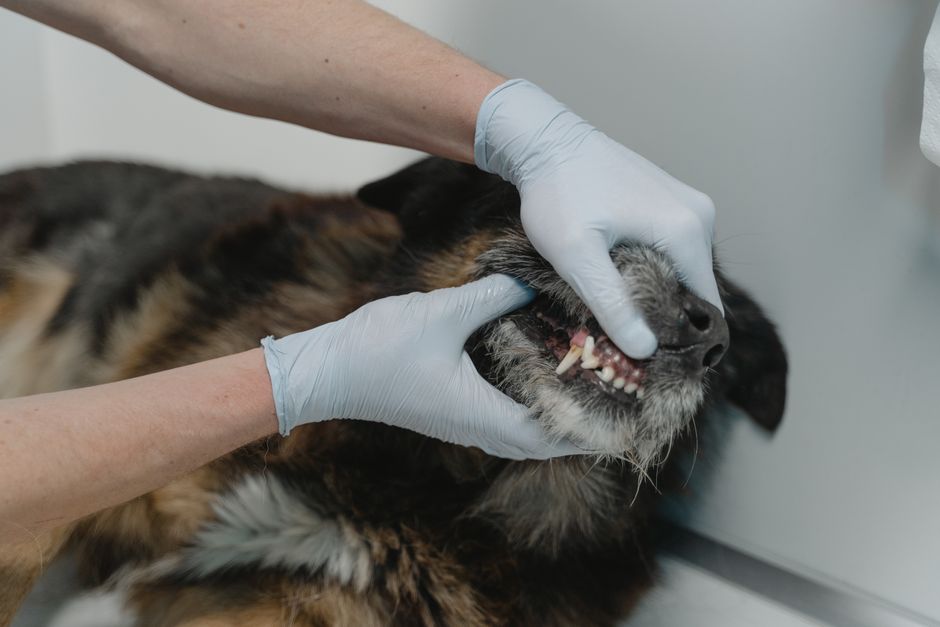
In situations where you’re unsure whether your current food choice is helping or hurting your pet’s oral health, seeking veterinary input can provide peace of mind. During a routine dental evaluation, we may recommend a professional dental cleaning or additional diagnostics like dental radiographs to identify hidden issues beneath the gumline. These steps help us create a complete dental care plan, including the most suitable diet for your pet.
Home Care and Preventive Tips: Supporting Your Pet’s Dental Health Every Day
While the right food can play a supporting role, nothing replaces daily dental care at home. Brushing your pet’s teeth regularly with a veterinary-approved toothpaste remains the gold standard for preventing plaque and tartar buildup. For pets who resist brushing, dental chews and water additives may offer some benefit, but should not be used as the sole method of dental care.
Choosing the best food for your pet’s dental health means taking their unique needs into account. Some pets thrive on a dental diet recommended by their veterinarian, while others require soft foods due to oral discomfort. It is important to avoid making abrupt food changes without consulting your veterinary team, as sudden dietary shifts can cause digestive upset and may not address underlying dental concerns.
Regular wellness visits, ideally every six to twelve months, allow your veterinarian to monitor your pet’s oral health and adjust dietary recommendations as needed. If your pet has undergone tooth extractions or dental surgery in the past, ongoing follow-up is especially important to ensure their food remains appropriate and comfortable to eat.
When Should You Seek Veterinary Care for Dietary Advice?
If you’re still wondering, “How can I tell whether I need professional help with choosing dry versus wet food for dental health?” consider the following scenarios. If your pet is showing signs of dental disease such as bad breath, visible tartar, bleeding gums, or mouth pain, a professional evaluation is needed. Likewise, if your dog or cat is having trouble chewing, frequently drops food, or experiences unexpected weight loss, veterinary input is essential.
In cases where you simply want reassurance that your current food is the best choice for your pet’s dental needs, a consultation with our veterinary team can provide clarity and peace of mind. We will assess your pet’s oral health, medical history, and lifestyle to offer individualized recommendations. If dental disease is found, treatment options may include professional dental cleaning, dental radiographs, or even advanced procedures like dental surgery or tooth extraction, depending on the severity of the problem.
Remember that early intervention can prevent more serious issues and reduce the need for extensive dental procedures down the road. Our goal is to help you make informed decisions so your pet enjoys a healthy, pain-free mouth for years to come.
Supporting Your Pet’s Dental Health in Orlando: The Shey’s Veterinary Hospital Commitment
At Shey’s Veterinary Hospital, we believe that every pet deserves a comfortable mouth and the right nutrition to support their wellbeing. If you have been asking yourself, “How can I tell whether I need professional help with choosing dry versus wet food for dental health?” our veterinary professionals are here to offer guidance tailored to your pet’s unique needs.
Whether you are concerned about a change in eating habits, want to optimize your pet’s diet for oral health, or are searching for a “vet near me” who truly understands dental care, our team welcomes you to schedule an appointment. We are committed to building long-lasting relationships with pet owners throughout Orlando and the surrounding communities.
To learn more about how we can help, or to book your pet’s dental or nutritional consultation, contact our team at (321) 234-3188 or visit us at 1024 Avalon Park Blvd, Suite 7, Orlando, FL 32828. For additional resources, explore our nutritional counseling services or read about pet dental cleanings for more information on supporting your pet’s oral health.
Your pet’s comfort and health are always our top priorities. If you ever have questions about food choices, dental care, or any aspect of your dog or cat’s wellbeing, don’t hesitate to reach out. Let us help you make the best choices for your pet’s smile—today and for the years ahead.